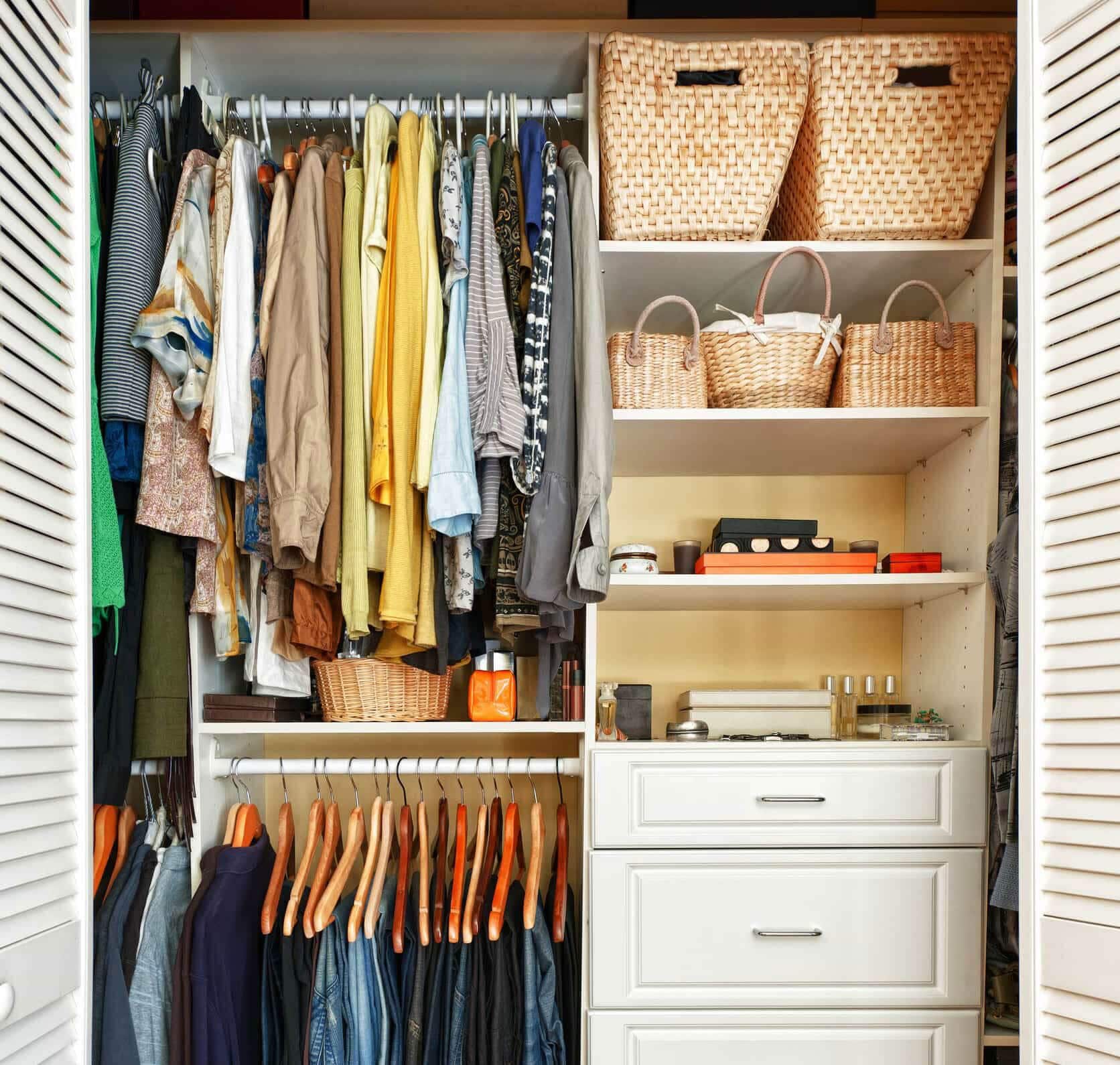
The best ways to organize closet space include removing unused clothes, grouping similar items, using matching hangers, adding shelf dividers, using vertical storage, and keeping everyday items within easy reach.
In American homes, closets come in many shapes and sizes. A suburban home may have a large walk-in closet, while an apartment in New York City may have only one small reach-in closet. No matter the size, a crowded closet can make getting dressed harder and waste useful storage space. A clear system can make even a small closet easier to use.
Start by taking everything out and sorting your clothes, shoes, bags, and accessories. Keep the items you use, donate clothes in good condition that no longer serve you, and set aside damaged items for repair or proper disposal. Once you know what you own, you can plan where each item should go.
The most useful closet systems focus on access, space, and simple habits. You do not need an expensive custom closet or a large collection of storage products. A few well-placed shelves, sturdy hangers, baskets, and hooks can help you create a neat space that stays useful throughout the year.
The first step is to remove everything from your closet. It may seem like extra work, but it gives you a clear view of the space and helps you see how much you own. It also makes it easier to clean shelves, floors, corners, and hanging rods.
Place your clothes and other belongings on a clean bed or a clear floor area. Work in manageable groups if you have a large wardrobe. Avoid spreading everything across the room if you cannot finish the task in one session.
Once the closet is empty, wipe the shelves and hanging rods with a suitable cleaner. Vacuum the floor and check for dust, loose hardware, signs of moisture, or pest activity. Allow the space to dry before returning clothing.
Source: askthecollective.org
Prepare sorting bags
Keep separate bags or boxes for items to keep, donate, repair, recycle, or discard. This prevents unwanted clothes from going back into the closet.
Check the closet layout
Look at the hanging rods, shelves, corners, doors, and floor. Identify areas that are underused or difficult to reach.
Clean before replacing items
Remove dust and dirt from storage surfaces so clean clothing does not come into contact with them.
Make a Simple Closet Inventory
Before putting anything back, make a rough list of what you own. Count major clothing groups, such as shirts, pants, dresses, jackets, shoes, and bags. You do not need an exact count of every small item. The goal is to understand which categories need the most room.
This simple inventory helps you decide whether you need more hanging space, shelves, drawers, or shoe storage. It also prevents you from buying organizers that do not solve your actual storage problem.
List your main categories
Write down the types of clothing and accessories that take up the most space.
Notice storage problems
Identify items that fall off shelves, pile up on the floor, or become hard to find.
2. Declutter Clothes You No Longer Wear
Decluttering is one of the most effective ways to create more closet space. Adding shelves and baskets will not solve the problem if the closet is filled with clothes you no longer use. Reducing the number of items makes the remaining storage easier to manage.
Review each item and ask whether it fits, feels comfortable, suits your current needs, and works with your other clothes. Consider how often you wear it and whether it is in good condition. Keep useful pieces rather than holding on to everything because it once had value.
You do not need to follow a strict rule that every item must have been worn within the last year. Special occasion clothing, seasonal pieces, and sentimental items may have a valid place in your home. Make decisions based on your real lifestyle and available storage.
Source: declutteringyourlife.com
Keep
Choose clothing that fits well, suits your lifestyle, and is in good condition. These are the pieces that deserve easy access.
Donate or sell
Pass along clean, usable clothing that no longer meets your needs. Check local donation center rules before dropping off items.
Repair
Set aside clothing with missing buttons, loose hems, or small problems that can be fixed. Give yourself a reasonable deadline to complete repairs.
Recycle or discard
Look for textile recycling options for worn-out items that cannot be donated. Follow local waste guidelines for anything that cannot be reused.
Use the Maybe Box Method
If you cannot decide whether to keep an item, place it in a labeled maybe box. Store the box outside your everyday closet and review it after a set period. If you do not need or miss most of the items, you may be ready to let them go.
This method can make decluttering less stressful. It also helps prevent rushed decisions about expensive clothing, gifts, and items with sentimental value.
Set a review date
Choose a date to check the box instead of allowing undecided clothing to remain there forever.
Keep sentimental items separate
Store meaningful clothing in a dedicated box rather than mixing it with everyday wardrobe items.
3. Group Clothes by Category
Sorting clothes by category makes a closet easier to use because similar items stay together. Instead of searching through a mixed row of clothing, you know where to find shirts, pants, dresses, and jackets. This system also helps you notice duplicates and missing wardrobe basics.
Create separate sections for everyday clothing, workwear, casual outfits, formal clothing, workout clothes, and sleepwear. Adjust these groups to match your daily routine. For example, someone who works from home may need less office clothing space than someone who wears professional outfits every day.
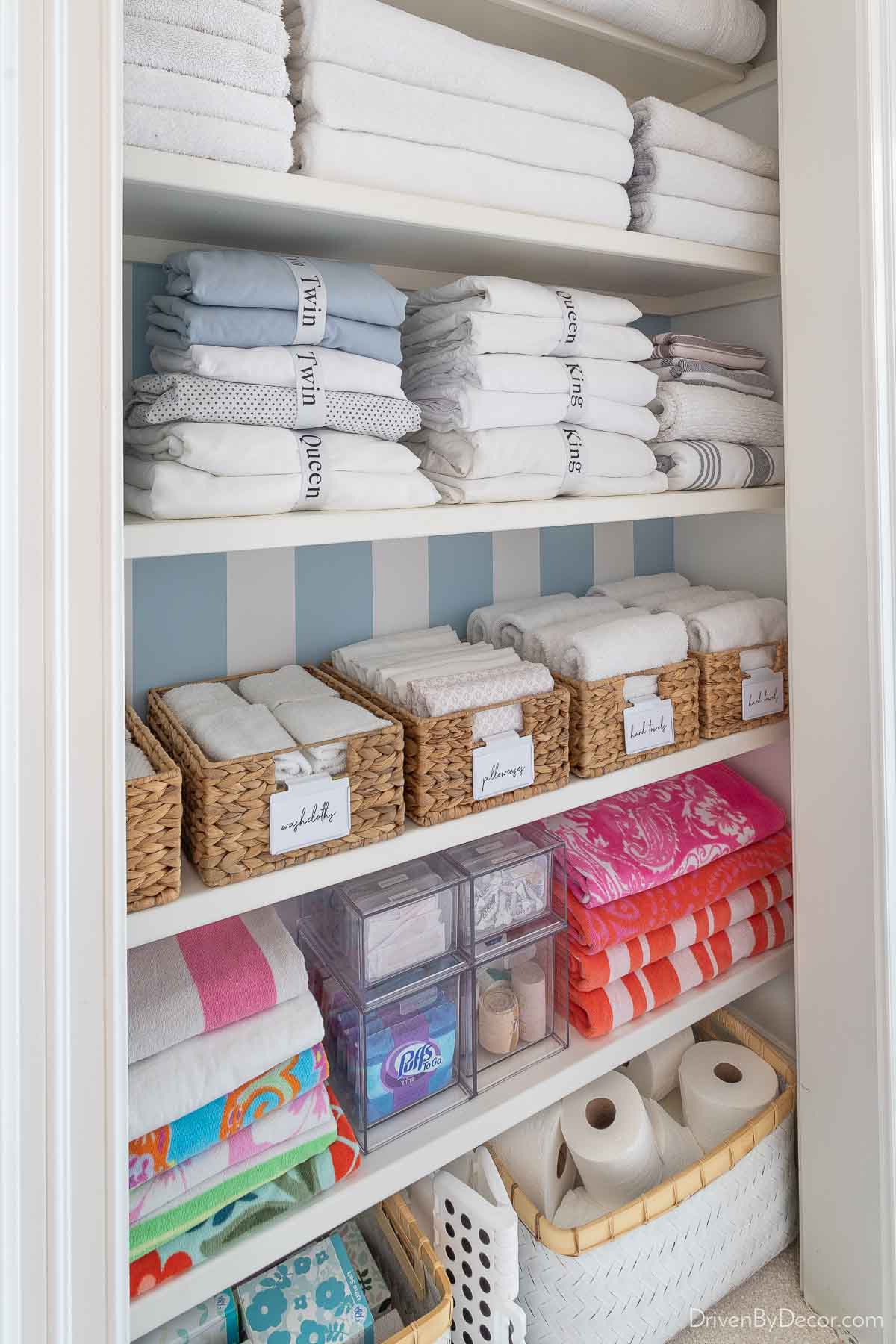
Keep similar items together on shelves and hanging rods. Place folded shirts with other folded shirts and keep shoes in a dedicated area. Use small bins for socks, underwear, belts, and accessories.
Source: drivenbydecor.com
Everyday clothing
Keep frequently worn shirts, pants, and casual outfits in the easiest areas to reach.
Work and formal clothing
Create a separate section for dress shirts, suits, dresses, and other clothing that needs to stay neat.
Exercise and sleepwear
Store workout clothes, pajamas, and comfortable home clothing together.
Accessories
Give belts, scarves, hats, ties, and small bags their own storage areas.
Arrange Clothes by Color
After grouping clothes by type, you can arrange each category by color. For example, place white shirts together, followed by gray, blue, black, and other colors. This makes it easier to find a particular item and gives the closet a more consistent appearance.
Color sorting is optional. If you find clothes faster by sleeve length, fabric, or purpose, use that system instead. The best arrangement is the one that makes daily choices easier.
Use a simple color order
Group light colors, bright colors, darker colors, and patterned clothing.
Keep categories separate
Avoid mixing shirts, pants, and jackets just to create a color display.
4. Use Matching Slim Hangers
Replacing bulky and mismatched hangers with slim hangers can make a crowded closet easier to manage. Thin hangers take up less rod space than many thick plastic or wooden styles. They also create a more consistent look when clothes are arranged side by side.
Choose hangers that can support the weight and shape of each garment. Shirts and lightweight tops may work well on slim hangers, while heavy coats and structured jackets often need stronger hangers. Padded hangers can help protect delicate garments.
Avoid hanging every type of clothing on the same hanger. The right shape helps garments keep their form and reduces slipping, shoulder marks, and wrinkles.
Source: ca.pinterest.com
Use non-slip hangers
These can help keep lightweight tops, dresses, and wide-neck garments from falling.
Choose sturdy coat hangers
Use stronger hangers for heavy jackets, winter coats, and structured clothing.
Use clips for skirts
Clip hangers can keep skirts and some trousers together without taking up unnecessary shelf space.
Avoid overcrowding
Leave enough room to slide hangers and remove clothing without pulling neighboring garments.
Choose Hangers Based on Clothing Type
A useful hanger collection does not need to look identical in every detail. It needs to protect your clothes and fit your closet. Use slim hangers for lighter garments, wider hangers for structured clothing, and padded styles for delicate fabrics.
Before buying a large set, test a few hangers with your existing wardrobe. Check their width, strength, grip, and ability to fit on your closet rod.
Shirts and blouses
Use slim, shaped, or non-slip hangers that support the shoulders.
Coats and jackets
Choose strong hangers with enough width to support the garment.
5. Add a Second Hanging Rod
A second hanging rod can increase the amount of usable hanging space in a closet with enough vertical room. It works especially well for shirts, short jackets, skirts, and folded trousers. Instead of using one long rod for everything, you divide the available space into two levels.
Place the second rod below the existing one, making sure there is enough clearance for the clothes on both levels. Measure the garments before changing the layout. Long dresses, coats, and other full-length items may need a separate section.
A removable hanging rod or adjustable closet system may work for renters or people who do not want permanent changes. Check the product’s load limits and installation requirements before use.
Source: in.pinterest.com
Upper rod
Use the upper section for shirts, blouses, and other shorter garments.
Lower rod
Use the lower section for skirts, pants, and short clothing that fits comfortably.
Long clothing section
Keep enough vertical space for dresses, long coats, and garments that need full-length hanging.
Measure Before Installing Another Rod
Measure the closet width and the hanging length of the clothing you plan to store. Also check whether the rod will interfere with drawers, doors, shelves, or other storage features.
Do not overload an existing rod or attach a new rod to weak drywall without suitable support. Follow the hardware instructions and use appropriate mounting points. If you are unsure about the wall or closet structure, ask a qualified installer.
Check the weight limit
Confirm that the rod, brackets, and mounting surface can support the planned load.
Test clothing clearance
Make sure garments do not touch the floor or become trapped against lower shelves.
6. Make the Most of Vertical Closet Space
Vertical storage helps you use areas that often remain empty, especially the space above hanging clothes and below shelves. A small closet can hold more when storage is planned from the floor to the ceiling instead of focusing only on the hanging rod.
Add suitable shelves, stackable containers, hanging organizers, and hooks where they fit. Use upper shelves for items you do not need every day. Keep frequently used clothing and accessories in lower, easier-to-reach areas.
Do not fill every open space just because it is available. Leave room to remove boxes, reach shelves, and move clothes. A useful storage system should make items easier to access rather than create another layer of clutter.
Source: publicstoragecanada.com
Install extra shelves
Use shelves above the main clothing rod for folded clothes, handbags, and labeled storage containers.
Use hanging organizers
Fabric organizers can hold folded shirts, sweaters, towels, and smaller accessories.
Add wall hooks
Use suitable hooks for belts, scarves, hats, and lightweight bags.
Use shelf risers
Risers can create an additional level for smaller items without requiring a complete closet renovation.
Store Less-Used Items on Upper Shelves
Upper shelves are useful for seasonal clothing, spare bedding, special occasion accessories, and travel bags. Put these belongings in labeled containers so you can identify them without opening every box.
Keep heavy objects low enough to lift safely. Do not place unstable stacks or heavy containers above your head. Use a suitable step stool when necessary instead of climbing on shelves, chairs, or furniture.
Label each container
Use clear labels such as winter clothing, travel accessories, or spare blankets.
Keep heavy storage low
Store heavy bags and containers on stable lower shelves or the floor.
7. Organize Folded Clothes with Shelf Dividers
Shelf dividers help keep folded clothing in separate groups. Without dividers, stacks of shirts and sweaters can lean, fall over, or mix together. Dividers create clear sections and make it easier to return clothing to the correct place.
Place heavier folded items on sturdy shelves and avoid making tall stacks that are difficult to reach. Store frequently used items in front and less-used pieces farther back. You can also arrange clothing by type, color, or season.
Choose dividers that fit the depth and thickness of your shelves. Adjustable styles can be useful when shelf sizes vary. Make sure the dividers do not block access to items or make the shelf difficult to clean.
Source: storage.googleapis.com
Separate clothing groups
Create individual spaces for T-shirts, jeans, sweaters, shorts, and other folded items.
Use baskets for small clothing
Store socks, tights, and accessories in baskets to stop them from spreading across shelves.
Keep stacks manageable
Use shorter stacks that you can lift and replace without disturbing nearby clothes.
Try a Consistent Folding Method
Fold similar clothing in a consistent way so each stack has a similar shape. For example, fold T-shirts into compact rectangles and arrange them in a drawer or shelf organizer. This can make more items visible at once.
The best folding style depends on the fabric and the available storage. Avoid compressing delicate fabrics too tightly, and follow garment care instructions when storing wool, knits, and other materials that may stretch.
Fold everyday shirts
Keep T-shirts and casual tops together in a drawer or on a dedicated shelf.
Store bulky sweaters carefully
Fold sweaters rather than hanging them when hanging could stretch the shoulders.
8. Use Baskets and Clear Storage Bins
Baskets and storage bins make loose items easier to manage. They work well for scarves, hats, belts, seasonal accessories, and clothing that does not need to hang. A container also gives small items a defined place instead of allowing them to spread across shelves.
Clear containers are useful when you want to see what is inside without opening the lid. Fabric baskets offer a softer look and can work well for frequently used items. Choose a size that fits the shelf and allows you to pull the container out easily.
Avoid buying containers before measuring the available space. Check the width, depth, and height of the shelf. Also consider whether the container needs to slide out from behind a closet door or beneath hanging clothing.
Source: drivenbydecor.com
Use small baskets
Keep belts, socks, ties, scarves, and other small belongings in separate containers.
Choose clear bins
Use transparent containers for seasonal clothing and items that you do not access every day.
Use lidded boxes
Choose suitable lidded containers for clean clothing that needs protection during longer storage.
Label the front
Add clear labels so each container has a defined purpose.
Avoid Overfilling Storage Bins
A storage bin should hold items without forcing you to push down the contents. Overfilled containers are harder to open and may cause clothing to become wrinkled. They can also make it difficult to identify what is stored inside.
Leave a little room for easy access. If a container becomes too full, divide its contents into smaller groups or remove items you no longer need.
Keep similar items together
Avoid mixing unrelated clothing and household items in one container.
Use manageable sizes
Choose containers that you can lift and move without strain.
9. Create a Dedicated Shoe Storage Area
Shoes can quickly take over closet floors when every pair is placed in a different spot. A dedicated shoe area keeps footwear together and makes it easier to find the right pair. It also helps prevent shoes from getting buried under clothing and bags.
Start by sorting shoes into everyday, work, formal, athletic, and seasonal groups. Keep frequently worn pairs near the front. Place occasional-use shoes on higher shelves or in labeled boxes that fit your available space.
Use shoe racks, cubbies, stackable shoe shelves, or suitable clear boxes based on the closet layout. Allow shoes to dry before storing them, and avoid putting damp or dirty footwear directly into closed containers.
Source: ca.pinterest.com
Use a shoe rack
A compact rack can create multiple storage levels and reduce floor clutter.
Store special occasion shoes
Keep less frequently worn shoes in labeled boxes or dedicated shelves.
Keep everyday shoes accessible
Place commonly worn footwear near the closet entrance or on the lowest convenient shelf.
Separate dirty footwear
Clean and dry shoes before returning them to the main storage area.
Use the Space Beneath Hanging Clothes
The floor below short hanging clothes can provide useful shoe storage. A low rack or shallow organizer may fit beneath shirts and jackets without blocking access. Measure the available height before choosing a rack.
Keep a clear path for removing shoes and sliding hangers. If the closet floor is too crowded, move rarely worn footwear to another suitable storage area.
Measure the floor area
Check the available width and height before adding a shoe rack.
Arrange by frequency
Place everyday shoes in front and occasional pairs farther back.
10. Organize Accessories with Hooks and Small Organizers
Small accessories need their own storage areas because they are easy to lose among larger clothing items. Belts, scarves, hats, handbags, jewelry, and ties can become tangled or damaged when placed in one pile. A few simple organizers can keep these items visible and accessible.
Use hooks on suitable closet walls or the back of a door for lightweight accessories. Drawer trays work well for jewelry and small items. Hanging organizers can hold scarves, ties, and other accessories when there is enough room.
Check the weight limits of hooks and organizers before adding items. Make sure door-mounted products do not prevent the door from closing or damage the hinges.
Source: publicstoragecanada.com
Hang belts
Use a belt hanger or suitable hooks to keep belts separate and easy to reach.
Organize scarves
Use a hanging organizer or divided basket to prevent scarves from becoming tangled.
Store jewelry in trays
Use small compartments to separate earrings, necklaces, bracelets, and watches.
Hang handbags carefully
Use suitable shelf dividers or sturdy hooks that support the weight of your bags.
Make Use of the Closet Door
The inside of a closet door can provide extra storage without taking up shelf or floor space. Over-the-door organizers may hold lightweight accessories, small bags, and other items that you use often.
Before installing one, check the door clearance and the organizer’s dimensions. Make sure the hooks fit the door and do not interfere with the frame or closing mechanism.
Choose suitable organizers
Select door storage based on the size and weight of the items you plan to keep there.
Keep frequently used accessories near the front
Place everyday items where you can reach them without moving other belongings.
11. Rotate Seasonal Clothing
Seasonal rotation frees up space by keeping only the clothing you currently need in your main closet area. Heavy winter coats may take up valuable room during warm months, while summer clothing may not need to remain at the front during winter.
Sort seasonal clothing before storing it. Wash or clean garments according to their care labels, allow them to dry fully, and check for stains or damage. Store clean items in suitable containers in a dry, clean location.
Label each container with its contents and season. This makes it easier to find stored clothing when the weather changes. Keep a small selection of items for unexpected temperature changes if your local climate requires them.
Source: in.pinterest.com
Store winter clothing
Move heavy coats, scarves, gloves, and thick sweaters to suitable seasonal storage when they are not needed.
Rotate summer clothing
Store warm-weather items in clean containers when cooler weather arrives.
Label storage boxes
Use labels that identify the season and the clothing group inside.
Keep transitional clothing
Leave a few versatile garments accessible for changing weather.
Protect Clothing During Long-Term Storage
Clothing should be clean and fully dry before long-term storage. Moisture can encourage mold and unpleasant odors, while food stains and body oils can become harder to remove over time.
Choose containers that suit the fabric and storage location. Avoid storing delicate or valuable garments in damp areas. Follow garment care instructions and inspect stored clothing before putting it back into regular use.
Use clean containers
Remove dust and dirt from storage boxes before adding clothing.
Avoid damp locations
Choose a dry storage area with suitable ventilation and protection from moisture.
Check stored clothing
Inspect garments when changing seasons so you can address damage or storage problems early.
12. Organize a Small Closet Without Buying Too Much
A small closet needs a simple system that makes every storage area useful. The first solution should be removing unnecessary items and improving the layout, not buying more organizers. Too many boxes and accessories can make a small space feel even more crowded.
Use the existing shelves and hanging rod before adding new furniture. Slim hangers, a few baskets, and a door organizer may solve common storage problems. If you have unused space under the bed, consider storing suitable seasonal items there instead of filling the closet.
Choose storage products that fit your exact measurements. A large organizer may block the door or reduce the room needed to remove clothing. Small changes often work better than a complete closet makeover.
Source: storage.googleapis.com
Use slim hangers
Reduce unnecessary hanger bulk and make better use of the existing hanging rod.
Store items vertically
Use vertical shelf space, suitable hanging organizers, and compact shoe racks.
Move seasonal belongings
Keep rarely used items in another suitable storage area when possible.
Use multipurpose storage
Choose organizers that can hold different items without taking up unnecessary room.
Small Closet Layout Example
Imagine a narrow reach-in closet with one upper shelf, one hanging rod, and a small floor area. You can use the upper shelf for labeled seasonal bins, the rod for everyday shirts and jackets, and the floor for a compact shoe rack.
A hanging organizer can hold folded clothing, while hooks on the door can store lightweight bags and accessories. This arrangement gives each category a clear home without requiring a full closet renovation.
Top shelf
Store seasonal items, spare bedding, and labeled containers.
Hanging area
Keep frequently worn shirts, pants, jackets, and dresses together.
Lower area
Use a small shoe rack or suitable baskets for everyday belongings.
Door area
Add an appropriate organizer for belts, scarves, and lightweight accessories.
13. Choose the Right Closet Storage Solutions
The right storage products depend on the closet’s size, the items you own, and how often you use them. A walk-in closet may have room for drawers and several shelves, while a small reach-in closet may need compact organizers. You should choose products based on a clear storage problem.
Measure your closet before shopping. Record the width, depth, and height of the available space. Also measure door openings, shelves, and the distance between hanging rods and the floor.
Start with basic organizers that address your biggest problems. Add more products only when you know what is missing. This approach helps avoid unnecessary purchases and keeps the storage system simple.
Source: askthecollective.org
Shelf dividers
Useful for separating folded clothing and keeping stacks from falling over.
Drawer organizers
Helpful for socks, underwear, small accessories, and other loose belongings.
Hanging storage
Useful when the closet has spare hanging space but limited shelves.
Shoe organizers
Help keep footwear grouped and prevent piles from forming on the floor.
Storage containers
Useful for seasonal items and belongings that need a separate storage area.
Measure Before You Buy
A storage product should fit the available space without blocking doors, drawers, or other closet features. Compare the organizer’s external measurements with the space where you plan to place it. Also consider the room needed to pull out drawers and remove containers.
Check product materials, assembly requirements, load limits, and cleaning instructions. If you are installing a permanent shelf or rod, confirm that the mounting hardware suits the wall and expected load.
Measure width and depth
Confirm that organizers fit the shelf or floor area.
Check the height
Make sure containers and hanging organizers do not interfere with rods or doors.
Check weight limits
Use storage products only within their stated capacity.
14. Create Separate Storage Zones for Different Needs
Closet zones give different belongings a clear place. Instead of arranging items randomly, divide the closet into sections based on how you use them. This makes it easier to find things and return them after use.
A simple system can include an everyday clothing zone, a workwear zone, a shoe zone, and an accessory zone. Families may also need separate sections for each person. In a shared closet, clear divisions can prevent clothing from getting mixed together.
Keep the most useful zones at a comfortable height. Place less frequently used items on higher shelves or in another suitable storage area. Avoid creating so many categories that the system becomes difficult to maintain.
Source: drivenbydecor.com
Daily-use zone
Store your most frequently worn clothes and accessories in an easy-to-reach area.
Occasion zone
Keep formal clothing, special occasion outfits, and less-used accessories together.
Footwear zone
Give everyday shoes and occasional footwear their own sections.
Storage zone
Use suitable upper shelves or separate containers for seasonal and spare belongings.
Organize a Shared Closet
Shared closets work best when each person has a defined area. Divide hanging rods, drawers, shelves, or storage bins according to the available space. Make sure everyone knows where their belongings should go.
Keep shared items such as spare blankets or travel accessories in a separate section. This reduces confusion and helps prevent one person’s clothing from taking over the entire closet.
Assign separate sections
Give each person a clear place for clothing and accessories.
Label shared containers
Use simple labels for items that everyone needs to access.
Review the layout together
Adjust storage when household needs or clothing collections change.
15. Maintain Your Organized Closet with Simple Habits
A closet stays organized when you follow a simple routine. You do not need to repeat a full decluttering project every week. A few small habits can prevent clothing piles, misplaced accessories, and crowded shelves from returning.
Put clothing back in its assigned place after wearing or washing it. Return shoes to their storage area and place accessories in their baskets or organizers. Avoid using the closet floor as a temporary storage area for bags and laundry.
Set aside a short period each week to review the closet. Check for clothes that need folding, hangers that have become mixed up, and containers that need attention. Make small changes before clutter becomes difficult to manage.
Source: publicstoragecanada.com
Reset the closet daily
Return clothes, shoes, and accessories to their proper places after use.
Review the space weekly
Spend a few minutes checking shelves, drawers, and hanging areas.
Declutter regularly
Remove items that are damaged, no longer useful, or no longer fit your needs.
Follow a one-in, one-out habit
When you buy a new item, consider whether an older item can be donated or passed along.
What to Do When Your Closet Becomes Messy Again
If your closet becomes cluttered again, look for the reason before buying more storage. The system may be too complicated, some shelves may be difficult to reach, or your clothing collection may have grown beyond the available space.
Start by returning misplaced items to their categories. Remove unwanted belongings and move seasonal items out of the everyday storage area. If a particular section keeps becoming messy, change its layout so it better matches how you use it.
Clothes keep falling
Use shelf dividers, shorter stacks, or baskets to create more stable storage.
The hanging rod is crowded
Review unused clothing, switch suitable garments to slim hangers, and consider a second rod if space allows.
Shoes cover the floor
Add a suitable rack or move occasional footwear to separate storage.
Small items disappear
Use labeled containers and drawer dividers to give accessories a fixed place.
Common Closet Organization Mistakes to Avoid
Even a well-planned closet can become difficult to use when the storage system is too complicated or does not match your needs. Avoiding a few common mistakes can help you keep the space functional for longer.
The biggest mistake is buying organizers before decluttering and measuring. More storage products do not always create more useful space. Start with the belongings you need to store and select products that solve specific problems.
Buying storage without measuring
Measure shelves, doors, and floor space first. This helps prevent organizers from blocking access or failing to fit.
Keeping too many unused clothes
Regularly review clothing that no longer fits your lifestyle or storage needs.
Overloading shelves and rods
Follow the stated load limits of shelves, brackets, rods, and organizers.
Using the same storage method for everything
Different garments need different storage. Fold suitable knitwear, hang garments that benefit from hanging, and store small accessories in compartments.
Ignoring seasonal changes
Review the closet as your clothing needs change throughout the year.
Making the system too complicated
Use a few clear categories and easy-to-follow storage rules instead of creating too many sections.
Ignoring moisture and pests
Store only clean, dry clothing and check the closet if you notice unusual odors, dampness, or signs of insects.
Keep Closet Storage Safe
Closet organizers should be stable and suitable for the weight they hold. Secure shelves and rods with the correct hardware, and do not use weak supports for heavy clothing or storage boxes. Follow manufacturer instructions when assembling or installing products.
Keep heavy objects on lower shelves and avoid unstable stacks above head height. If you notice moisture, mold, or damage to the closet structure, address the cause before storing clothing in that area again.
Use stable storage
Make sure shelves, racks, and containers sit securely in their intended positions.
Avoid unsafe climbing
Use a suitable step stool to reach high shelves instead of standing on chairs or unstable furniture.
Check for moisture
Do not place clean clothing in a damp closet or in containers with trapped moisture.
A Practical Closet Organization Plan
If you are unsure where to begin, follow a simple plan that breaks the work into smaller tasks. You can complete it over a weekend or spread it across several shorter sessions. The goal is to create a system that works with your actual wardrobe and available space.
Do not feel that every part of the closet needs to be perfect on the first day. Focus on the most crowded areas first, then improve the layout as you learn which storage methods work best.
Step 1: Prepare
Gather cleaning supplies, sorting bags, storage containers you already own, and a measuring tape.
Step 2: Empty and clean
Remove clothing and belongings, then clean shelves, rods, and the closet floor.
Step 3: Declutter
Separate useful clothing from items to donate, repair, recycle, or discard.
Step 4: Sort
Group the remaining belongings by category and frequency of use.
Step 5: Measure
Measure the closet and identify the storage products or layout changes that will help.
Step 6: Arrange
Set up hanging areas, shelves, baskets, drawers, shoe storage, and accessory zones.
Step 7: Maintain
Return belongings to their assigned places and schedule regular short resets.
Signs Your Closet Is Properly Organized
A successful closet organization system should make everyday tasks easier. You should be able to find common items without moving several other belongings. Clothes should stay in their assigned sections, and shelves should remain easy to access.
You should also have a clear idea of what is stored in each container. If you constantly need to move boxes or rearrange clothing to reach everyday items, the layout may need another adjustment.
Easy access
Frequently worn clothes and accessories are easy to find.
Clear categories
Similar belongings are stored together in defined areas.
Usable space
Shelves, rods, drawers, and floor areas can be accessed without moving large piles.
Simple maintenance
You can return items to their proper places without spending a long time reorganizing.
Next Questions to Consider Before Organizing Your Closet
Once the main closet is organized, consider the storage problems that may come up later. A small bedroom, a shared wardrobe, or a large seasonal clothing collection may need a different layout. Your storage system should change when your household needs change.
Think about how you use your closet each day. If shoes are the main source of clutter, focus on footwear storage. If folded clothes keep falling, improve the shelf layout. Solving the main problem first will usually produce a better result than adding several unrelated organizers.
For a small bedroom
Consider compact shelves, under-bed storage, slim hangers, and door organizers.
For a shared wardrobe
Create clear sections for each person and keep shared belongings separate.
For a large wardrobe
Use zones for everyday clothing, formalwear, seasonal items, shoes, and accessories.
For a rental home
Consider removable organizers and freestanding storage before making permanent changes.
Frequently Asked Questions
Q
What is the best way to organize a closet?
The best way to organize a closet is to remove unused items, group the remaining belongings by category, and assign each group a specific storage area. Use suitable hangers for hanging clothes, shelves for folded items, and baskets for small accessories.
Keep frequently used clothing within easy reach and move seasonal belongings to less accessible storage. This creates a simple system that is easier to maintain.
Q
How do I organize a small closet with lots of clothes?
Start by reducing the number of clothes you keep in the closet. Then use slim hangers, vertical shelves, hanging organizers, and a second rod if the layout allows it.
Store seasonal clothing elsewhere when possible. Keep everyday items near the front and use the floor area for a compact shoe rack or suitable storage baskets.
Q
How should I arrange clothes inside a closet?
Group clothes by type first. Keep shirts with shirts, pants with pants, dresses with dresses, and jackets with jackets. You can then arrange each group by color, season, or frequency of use.
Place everyday clothing at eye level or within easy reach. Store occasional-use and seasonal clothing on upper shelves or in labeled containers.
Q
How can I organize a closet without buying organizers?
You can organize a closet without buying new products by decluttering, rearranging existing shelves, folding clothes consistently, and using suitable containers you already own.
Reuse clean boxes and baskets for small items, and separate clothing into clear categories. Measure the available space and make the most of the existing hanging rod and shelves.
Q
How do I keep my closet organized for a long time?
Return clothes and accessories to their assigned places after use. Avoid leaving laundry, bags, and shoes on the closet floor. A short daily reset can prevent small messes from becoming larger problems.
Review the closet regularly and remove items that are no longer useful. Rotate seasonal clothing when needed and adjust the layout if your storage needs change.
Q
Should I fold or hang my clothes?
The choice depends on the garment and its care needs. Shirts, dresses, jackets, and other pieces that wrinkle easily may benefit from hanging. Sweaters, knitwear, and heavy garments that may stretch are often better folded.
Follow the garment care label and consider the available space. A combination of hanging rods, shelves, and drawers usually works well for a mixed wardrobe.
Q
How often should I declutter my closet?
Review your closet whenever your clothing needs change, such as during a seasonal wardrobe change or after a move. A more detailed review every few months can also help prevent unused items from taking over.
You do not need to remove clothes on a strict schedule. Focus on keeping items that fit, serve a purpose, and work with your current lifestyle.
Q
How do I organize shoes in a small closet?
Use a compact shoe rack, stackable organizers, or suitable shoe boxes to keep footwear in one place. Sort shoes by how often you wear them and keep everyday pairs near the entrance.
Move occasional-use shoes to higher shelves or separate storage. Make sure footwear is clean and dry before placing it in closed containers.
✦ Wrapping Up
Conclusion
The best ways to organize closet space begin with a simple plan. Remove unused belongings, sort clothes by category, and create a clear place for shoes, accessories, and folded items. Use the shelves, hanging rods, doors, and floor space in a way that matches your needs.
You do not need a large walk-in closet or expensive storage products to create an organized wardrobe. Slim hangers, baskets, shelf dividers, hooks, and a few well-planned storage zones can make a big difference. The key is to choose solutions that fit your space and make everyday items easy to reach.
Most importantly, keep your system simple. Return belongings to their assigned places, review seasonal clothing, and make small changes when the layout stops working. With a little regular care, your closet can remain clean, practical, and easy to use.
💡 Key Takeaway
Start today by emptying one section of your closet. Remove clothes you no longer need, group the remaining items, and give every category a clear storage place. Organize one section at a time and build a simple routine to keep it that way.