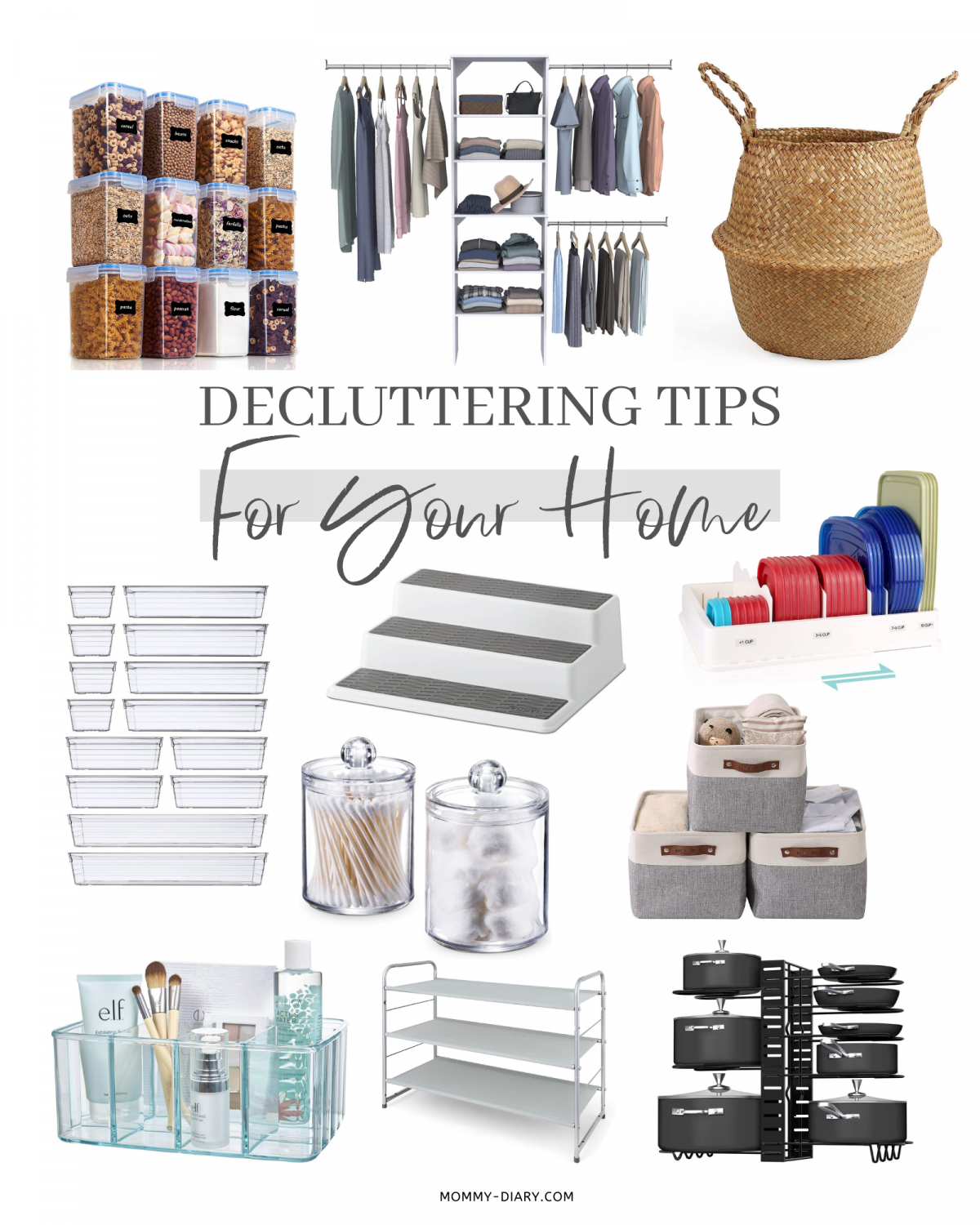
The best home decluttering tips are simple: start with one small area, sort items into clear groups, remove things you no longer use, give useful belongings a proper home, and build short daily habits to prevent clutter from returning.
In American homes, clutter can build up in kitchens, bedrooms, garages, basements, closets, and busy family rooms. Mail, shoes, old clothes, toys, food containers, and unused household goods can slowly take over useful space. A home does not need to look like a showroom to feel clean and calm. It needs a system that makes daily life easier.
Decluttering is the act of reviewing your belongings and removing items that no longer serve a useful purpose. It is different from cleaning. Cleaning removes dirt, while decluttering reduces the number of things you need to store, move, and manage. Both tasks work well together, but removing excess items first can make cleaning much easier.
The most useful approach is to work in small areas instead of trying to clear the whole house in one day. Start with a kitchen counter, one closet shelf, or a single drawer. Decide what to keep, donate, recycle, sell, or discard. Then put the items you keep in places that match how often you use them.
These home decluttering tips cover practical ways to sort belongings, organize each room, manage sentimental items, and stop clutter from building up again. They also explain what to do when a large project feels too hard, how to handle unwanted items responsibly, and how to create a simple routine that works for different household sizes.
The easiest way to begin decluttering is to choose a small area that you can finish in one session. A full room may feel like a huge job, but one drawer or shelf is easier to manage. Completing a small task also gives you a clear result that can encourage you to continue.
Choose an area that affects your daily routine. A crowded kitchen counter, an overflowing entryway, or a messy bedside table can make a home feel untidy. Clearing one of these spots gives you more usable space right away.
Before you start, gather a few bags or boxes for items you plan to donate, recycle, discard, or move elsewhere. Keep a trash bag nearby and use a timer if you tend to lose focus. The goal is to finish the selected area, not to create a larger pile that you must sort later.
Source: storage.googleapis.com
Pick a clear starting point
Choose one drawer, shelf, counter, or small section of a room. Avoid starting with an entire garage or basement.
Set a short time limit
Try 15 to 30 minutes. Stop when the time ends or when the selected area is complete.
Finish before moving on
Remove unwanted items, return useful belongings, and clean the empty surface before starting another area.
Use the One-Surface Method
The one-surface method is useful when you feel unsure where to begin. Clear one flat surface, such as a coffee table, desk, or kitchen island. Remove every item, wipe the surface, and return only the things that belong there.
Give each item a clear destination. A book may belong on a shelf, mail may need a sorting tray, and a cup may belong in the kitchen. If you cannot decide where something belongs, create a temporary review box rather than leaving it on the cleared surface.
Choose a visible surface
A clear table or counter creates an easy-to-see sign of progress.
Return only useful items
Do not put an object back simply because it was already there.
2. Sort Everything Into Five Simple Groups
Sorting belongings into five groups makes decisions easier and keeps the process organized. Instead of moving clutter from one place to another, decide what should happen to each item. This step also helps prevent unwanted belongings from staying in your home for months.
Use separate containers or clearly marked areas for items you want to keep, donate, sell, recycle, or discard. Keep the groups apart so that useful items do not get mixed with trash. If an item belongs in another room, place it in a transfer basket and return it after the current area is sorted.
Be honest when deciding what to keep. An item is not useful just because it was expensive, received as a gift, or might be needed someday. Consider its condition, actual use, available space, and replacement cost before making a decision.
Source: declutteringyourlife.com
Keep
Save items you use, need, enjoy, or have a clear purpose for. Store them in a place that is easy to reach.
Donate
Set aside clean, usable goods that another person may need. Check the receiving organization‘s rules before dropping them off.
Sell
Choose this group for valuable items that are in good condition. Set a deadline so unsold goods do not become permanent clutter.
Recycle
Separate accepted paper, cardboard, metal, glass, and electronics according to local recycling rules.
Discard
Remove broken, unsafe, contaminated, or unusable items through the correct local waste service.
Ask Four Questions Before Keeping an Item
A few direct questions can help you make a decision without spending too much time on each object. Ask whether you have used it recently, whether it still works, whether you have another item that serves the same purpose, and whether you have enough room to store it.
If you keep something for a specific future task, give that task a realistic date. For example, keep a craft supply if you have a planned project, but avoid storing years of materials for projects you may never start.
Check real use
Think about your normal habits instead of an ideal routine you rarely follow.
Check duplicates
Keep the number of similar items that your household can use and store.
Check the condition
Do not donate broken, dirty, or unsafe goods that the receiving group cannot use.
3. Declutter Your Kitchen and Pantry
A kitchen is easier to use when counters, cabinets, and drawers hold only items that support cooking and eating. Start with one cabinet or drawer at a time. Remove everything, check each item, and return only what your household uses.
Kitchen clutter often comes from duplicate tools, unused appliances, old food containers, takeaway packaging, and pantry goods that have been forgotten. These items can take up space needed for daily cooking. Check expiration dates and food condition before deciding what is safe to keep.
Keep everyday dishes, cooking tools, and food within easy reach. Place items used less often on higher shelves or in less accessible cabinets, as long as they can be reached safely. Store heavy cookware where you can lift it without stretching or straining.
Source: ablissfulnest.com
Clear the countertops
Keep only daily-use appliances and a few items that genuinely support your cooking routine.
Review food containers
Match lids with containers and recycle or discard damaged pieces according to local rules.
Check the pantry
Group similar foods together, review dates, and move older suitable products toward the front.
Reduce duplicate tools
Keep the tools you use and remove extras that take up valuable drawer space.
Create Simple Kitchen Zones
Kitchen zones make it easier to find things and return them after use. Place cooking utensils near the stove, plates near the dishwasher or dining area, and food preparation tools near the counter where you work.
Use small bins or dividers only when they help keep groups together. You do not need a special container for every object. A clear shelf with sensible groupings may work just as well.
Cooking zone
Keep pans, spatulas, cooking oils, and common seasonings close to the stove.
Food preparation zone
Store cutting boards, mixing bowls, and measuring tools near a clear work surface.
Breakfast zone
Group mugs, cereal, and frequently used breakfast supplies in one practical area.
4. Make Bedrooms and Closets Easier to Manage
A bedroom should support rest, dressing, and personal routines. Start by clearing the floor, bedside table, dresser, and closet. Remove laundry, empty packaging, unused accessories, and belongings that do not belong in the room.
Clothing is often one of the biggest sources of household clutter. Review each piece for fit, comfort, condition, and actual use. Separate damaged clothing from clean items that may be suitable for donation or resale.
Do not empty every closet at once if you have limited time or space. Work through one clothing category at a time, such as shirts, shoes, coats, or bags. This keeps the project manageable and makes it easier to put things away.
Source: storage.googleapis.com
Use the current-season rule
Keep clothes for the current season in easy-to-reach areas. Store suitable off-season items in clean, dry spaces.
Remove clothes that do not fit
Keep only items that fit your current needs, unless a specific future use justifies keeping them.
Review shoes and accessories
Remove worn-out shoes and unused accessories that take up space.
Keep bedside storage simple
Store only useful nighttime items, such as a lamp, book, glasses, or other daily essentials.
Try the Hanger Review
If you struggle to remember which clothes you wear, turn your hangers in one direction at the start of a review period. After wearing and washing an item, return it with the hanger facing the opposite direction. At a later review, you can see which pieces you have actually used.
This method is a decision aid, not a strict rule. Formal clothing, seasonal wear, uniforms, and special-occasion items may not be used often but can still have a valid purpose.
Review actual use
Look at what you wear rather than keeping every item out of habit.
Allow for special needs
Keep necessary workwear, weather clothing, and formal outfits when they serve a clear purpose.
5. Keep Living Rooms and Entryways Free From Clutter
Living rooms often collect items from every part of the household. Toys, remote controls, books, blankets, shoes, mail, and charging cables can quickly fill open surfaces. The best solution is to create a clear home for each item.
Begin with the coffee table, sofa, TV area, and floor. Remove anything that belongs elsewhere and decide how much storage each activity needs. Keep frequently used items close to where they are used, but avoid filling every available shelf.
Entryways need a simple system because people use them several times a day. A shoe rack, a few hooks, and a small tray for keys can help. Set a limit on how many shoes, coats, and bags stay in this area.
Source: www.pinterest.com
Use a basket for daily items
Keep a small basket for remote controls, chargers, or other items used in the living room.
Limit decorative objects
Display a few meaningful pieces and leave enough open space for easy cleaning.
Create a shoe area
Use a rack or mat near the entrance and remove shoes that are no longer worn.
Set up a mail station
Give incoming letters and packages one place, then sort them on a regular schedule.
Use the One-In, One-Out Rule
The one-in, one-out rule can help control the number of belongings in a room. When you bring home a new decorative item, book, toy, or accessory, consider removing an older item in the same category.
This rule works best for items that tend to build up. It does not need to apply to food, basic supplies, or things your household must replace. Use it as a limit on unnecessary purchases rather than a rule that makes daily life harder.
Review before buying
Check whether you already own something that serves the same purpose.
Keep category limits
Decide how much shelf, drawer, or basket space each group of items can use.
6. Reduce Bathroom Clutter and Manage Personal Supplies
Bathrooms are small spaces, so even a few extra products can make cabinets and counters feel crowded. Start by removing empty bottles, old packaging, damaged accessories, and products you no longer use. Wipe the surfaces before returning the items you keep.
Check the labels and directions on personal care products. Do not assume that an old medicine, cosmetic, or chemical is safe to use simply because it looks normal. Follow the product instructions and relevant local disposal guidance.
Keep everyday items near the sink or shower, and store backup supplies in one cabinet or bin. Avoid buying more products until you know what you already have. This can reduce waste and prevent duplicate purchases.
Source: Pinterest
Review toiletries
Remove empty containers and products that you no longer need. Follow label directions for products with specific storage or disposal requirements.
Group similar items
Keep hair care, skin care, dental care, and cleaning supplies in separate areas.
Limit open bottles
Keep only the products you currently use within easy reach.
Store backup supplies together
Use one suitable shelf or bin for extra soap, toilet paper, and other household supplies.
Handle Medicines and Cleaning Products Carefully
Medicines should not be treated like ordinary household rubbish. Use an authorized medicine take-back program when available, or follow the disposal instructions provided by the relevant local authority or product label. Keep medicines away from children and pets while sorting.
Keep cleaning products in their original containers whenever possible. Never mix household chemicals to save space or combine products in an unmarked bottle. Follow label directions and keep incompatible products separate.
Check medicine disposal options
Use an authorized collection service or follow official disposal guidance for the specific medicine.
Keep labels readable
Do not remove important safety and use information from chemical containers.
7. Organize Home Offices, Paperwork, and Digital Clutter
Home offices can become crowded with papers, old stationery, unused electronics, cables, and files. Clear the desk first, then sort each group according to its purpose. Keep the tools you use for work and remove items that no longer support your daily tasks.
Paperwork needs more care than ordinary household clutter. Some documents contain personal, financial, legal, or tax information that you may need later. Do not throw away a document simply because it looks old. Check its purpose and applicable record-retention requirements first.
Use a simple filing system with clear labels. You might create separate folders for household bills, insurance, taxes, property records, warranties, and important personal documents. Store sensitive records in a secure place and shred documents containing personal information when they are no longer needed.
Source: storage.googleapis.com
Sort loose papers
Separate documents that need action, documents to keep, and papers that can be safely recycled or destroyed.
Remove unused office supplies
Keep a practical amount of pens, notebooks, folders, and other daily tools.
Review cables and electronics
Keep cables that match devices you own and arrange them so they do not become a tangled pile.
Clear digital files
Review duplicate downloads, old screenshots, unused applications, and files that are backed up elsewhere.
Build a Simple Paperwork System
A three-part system can make household paperwork easier to manage. Use one place for papers that need action, one secure place for records you must keep, and one container for papers awaiting safe disposal.
Review the action folder on a set day each week. Pay bills, respond to letters, and file completed paperwork. This prevents important documents from becoming buried under unrelated mail.
Action folder
Keep forms, bills, letters, and other papers that require a response.
Secure records
Store important documents in a protected location with access limited to the people who need them.
Disposal folder
Collect sensitive papers until they can be destroyed safely.
8. Tackle Garages, Basements, and Storage Rooms
Garages, basements, and storage rooms often become places where unused items are left without a clear plan. These areas can hold old furniture, sports equipment, seasonal decorations, tools, boxes, and household supplies. The first step is to create a safe working area and sort one section at a time.
Do not pull everything out at once if there is not enough room to move safely. Begin with a single shelf or group of boxes. Check each item and decide whether it deserves the space it takes up.
Store items according to how often you use them. Everyday tools should be easy to reach, while seasonal items can go in clearly marked containers in a suitable storage area. Keep walkways, exits, electrical panels, and access to safety equipment clear.
Source: The Spruce
Group similar belongings
Keep tools, sports equipment, holiday decorations, and outdoor supplies in separate zones.
Label storage boxes
Write the contents and, when useful, the season or room on the outside of each container.
Remove damaged goods
Separate unusable furniture, broken equipment, and items that need proper waste disposal.
Protect stored belongings
Use dry, suitable storage areas and check for moisture, pests, and other damage.
Handle Hazardous Household Items Separately
Paint, solvents, pesticides, fuel, batteries, and some electronic waste may need special disposal. Do not place these materials in ordinary trash or pour them down a drain unless the product label and local authority specifically allow it.
Keep hazardous materials in their original labeled containers and follow local household hazardous waste guidance. If a container is leaking, damaged, or has an unknown substance, avoid handling it unnecessarily and seek advice from the appropriate waste service.
Separate hazardous materials
Do not mix them with general donations, recycling, or household trash.
Check local collection services
Look for community collection events or approved disposal facilities.
9. Use Storage Solutions Only After Decluttering
Storage products can help organize belongings, but they cannot solve the problem of owning too many things. Buying bins before sorting often creates another layer of clutter. First decide what you will keep, then measure the space and choose storage that fits.
Use baskets, drawer dividers, hooks, shelves, and clear containers when they serve a clear purpose. Open baskets work well for items used often, while labeled containers can help with seasonal goods. Choose products that fit the available space without blocking doors, vents, or walkways.
Make storage easy to use. If putting an item away takes several steps, people may leave it on a nearby surface instead. A simple shelf or open basket can be more useful than a complicated system.
Measure before buying
Check the width, height, and depth of shelves, cabinets, and closets.
Choose clear labels
Label boxes by category or contents so you can find items without opening every container.
Use vertical space safely
Add suitable shelves or hooks where they can be installed securely and reached without risk.
Leave room to use the storage
Avoid filling containers so tightly that items are hard to remove or return.
Match Storage to the Item
Different belongings need different storage methods. Small office supplies may work well in drawer dividers, while blankets may fit in a large basket. Frequently used kitchen tools are often easier to reach in a drawer than in a high cabinet.
Avoid storing heavy items above shoulder height or stacking unstable boxes. Check weight limits and installation instructions for shelves and storage systems. If you are unsure whether a wall or structure can support a load, seek qualified help.
Small objects
Use divided trays or small labeled containers to prevent items from spreading.
Soft household goods
Use suitable baskets or shelves that allow air to circulate when needed.
Heavy objects
Keep them low and use stable storage designed for their weight.
10. Declutter Sentimental Items Without Feeling Overwhelmed
Sentimental belongings can be harder to sort because they carry memories and personal meaning. Old photographs, letters, children’s artwork, family gifts, and inherited items may feel difficult to release. There is no need to make every decision at once.
Start by separating sentimental items from ordinary household goods. Choose a small amount of space for meaningful objects, such as one memory box or a designated shelf. This creates a boundary while still allowing you to keep items that matter.
You can preserve memories without keeping every physical object. Take a photograph of a large item, save a digital copy of a child’s drawing, or write down the story behind a family object. These methods may help when space is limited, although they do not need to replace every keepsake.
Set a memory-box limit
Choose a container that fits your available space and select the items that matter most.
Keep the story
Write a short note about the person, event, or memory linked to an important object.
Ask before removing family belongings
Discuss shared or inherited items with the people who have a reasonable claim or attachment to them.
Take your time
Put uncertain items aside and return to them when you feel ready.
Use a Maybe Box for Difficult Decisions
A maybe box gives you time to decide about items that are not clearly useful or unwanted. Place uncertain belongings in a labeled container and write a review date on it. Keep the box in a safe, dry location rather than allowing it to spread into another room.
When the review date arrives, open the box and consider each item again. If you have not needed or thought about an ordinary item, that may help you decide whether to let it go. For important family records or unique keepsakes, use your judgment instead of applying a strict deadline.
Set a clear review date
Choose a realistic date so the box does not become permanent storage.
Keep important records separate
Do not put legal papers, financial records, or essential documents into a general decision box.
11. Stop Clutter From Coming Back
A decluttered home stays organized when the household has simple habits for handling new items. Without a routine, mail, laundry, shopping bags, toys, and other belongings can slowly return to open surfaces. A few small actions each day can help prevent this cycle.
Give common items a fixed place and return them after use. Encourage everyone in the household to follow the same basic system. Storage works best when the people who use it can understand and maintain it.
Review purchases before bringing them home. Ask whether the item fills a real need, where it will be stored, and whether you already own something similar. This small pause can reduce unnecessary shopping and future clutter.
Do a daily reset
Spend a few minutes returning items to their proper places before the end of the day.
Handle mail promptly
Sort letters and packages when they enter the home instead of leaving them on counters.
Keep donation bags ready
Use a designated spot for clean, unwanted items and arrange regular drop-offs.
Review storage every month
Check high-use areas and remove items that no longer serve a purpose.
Follow a Simple Weekly Home Reset
A weekly reset helps you catch small problems before they become large projects. Pick a day that works for your household and review the areas that collect clutter most often. You do not need to clean every storage space each week.
Use the same short sequence each time. Clear shared surfaces, return misplaced belongings, sort incoming mail, review laundry, and remove waste. If a room still feels crowded, schedule a separate decluttering session for that area.
Monday
Clear the entryway and put away shoes, bags, and coats.
Wednesday
Review kitchen counters, food containers, and pantry items.
Friday
Clear living room surfaces and return books, toys, and other shared items.
Weekend
Choose one small area for a deeper review and prepare donations or recycling.
12. Follow a Realistic Seven-Day Home Decluttering Plan
A short plan can help you make progress without turning decluttering into a stressful full-time job. The schedule below spreads the work across common household areas. Adjust the time and order to fit your home, health, family needs, and available space.
Each day has one main task. If an area is larger than expected, finish one section and move the remaining work to another date. There is no benefit in rushing through important decisions or creating unsafe piles of belongings.
Day 1: Entryway and living room
Clear the entrance, remove misplaced items, and organize the main seating area.
Day 2: Kitchen counters and drawers
Sort cooking tools, clear surfaces, and review food containers.
Day 3: Pantry and refrigerator
Check food condition and dates, group supplies, and remove unsuitable items safely.
Day 4: Bedroom and closet
Review clothes, shoes, bedside storage, and laundry.
Day 5: Bathroom
Sort toiletries, personal care items, and household supplies.
Day 6: Home office and paperwork
Clear the desk, organize documents, and review electronics and cables.
Day 7: Storage area and donation review
Sort one garage, basement, or storage section and arrange the next step for unwanted items.
How to Measure Your Progress
Progress is not measured by how many bags you fill. A useful result is a space that works better and is easier to maintain. You may notice that counters stay clear, drawers open without difficulty, and everyday items are easier to find.
Use a short checklist to track completed areas and tasks that still need attention. If clutter returns quickly, review the storage system before buying more containers. The problem may be that items do not have a clear home or that the household needs a simpler routine.
More usable space
You can use counters, tables, shelves, and floors without moving piles first.
Faster daily routines
You can find common household items and put them away with less effort.
Less repeated sorting
Your household has clear places for incoming items, donations, recycling, and rubbish.
13. Common Home Decluttering Mistakes to Avoid
Decluttering can become harder when you try to do too much or use a system that does not match your home. The aim is to create useful space, not to remove every personal object. A practical plan should support the way your household lives.
Avoid the urge to empty multiple rooms, buy many storage products, or make rushed decisions about important belongings. Focus on clear results and safe disposal. If a task becomes too large, divide it into smaller steps.
Starting too many areas
Opening several rooms at once creates unfinished piles. Complete one area before moving on.
Buying storage too early
Sort and reduce belongings first. Then measure the remaining storage needs.
Keeping everything just in case
Keep realistic emergency supplies and items with a clear purpose, but review ordinary duplicates and unused goods.
Ignoring other household members
Discuss shared belongings and give family members a role in maintaining common spaces.
Delaying donation drop-offs
Set a date to remove donation bags so they do not become another source of clutter.
Discarding items without checking
Review important documents, electronics, batteries, medicines, and hazardous products before disposal.
What If You Feel Overwhelmed?
Feeling overwhelmed does not mean you have failed. It may mean that the task is too large, the decisions are too difficult, or you do not have enough time. Reduce the task until it feels manageable.
Choose five items, one drawer, or a 10-minute session. Ask a trusted person to help with sorting if you want support. For severe clutter that blocks exits, affects safe movement, or creates sanitation risks, consider contacting an appropriate local professional or community support service.
Make the task smaller
Choose a single category or a few items instead of tackling an entire room.
Take breaks
Stop when you become tired or lose focus, especially when lifting or moving heavy objects.
Ask for suitable help
Seek support when the amount of clutter, physical demands, or safety concerns exceed what you can manage alone.
14. How to Choose What to Donate, Sell, Recycle, or Throw Away
The best way to remove unwanted belongings is to match each item with an appropriate destination. An item that is clean and useful may be suitable for donation, while broken or unsafe goods may need repair or proper disposal. Do not assume that every charity or recycling center accepts every type of item.
Check local rules before taking electronics, batteries, paint, chemicals, mattresses, or large furniture to a collection point. Some communities offer special waste collection days or designated drop-off sites. The correct option depends on the material and the services available in your area.
Selling can be useful for valuable items, but it takes time to photograph, list, answer questions, and arrange collection. Choose only items that are worth the effort. Set a clear deadline and donate or dispose of unsold items through a suitable route.
Donate usable goods
Check the organization’s accepted-item list and condition standards before making a donation.
Sell items with realistic value
Consider the likely sale price, time needed, and effort involved in arranging a sale.
Recycle accepted materials
Follow your local recycling program instead of placing every material in the same bin.
Use special waste services
Take hazardous materials and certain electronics to approved collection services when required.
Make Donation Drop-Offs Easier
Keep donation items clean, dry, and packed in a way that makes them easy to inspect. Separate clothing from books, household goods, and electronics. Label boxes when the receiving organization accepts labeled donations.
Call or check the organization’s current guidance before loading a vehicle. This avoids carrying items that the organization cannot accept and helps prevent usable goods from being sent to landfill unnecessarily.
Check acceptance rules
Confirm which goods are accepted and whether appointments or drop-off times are required.
Prepare items properly
Clean and pack usable belongings without hiding damage or missing parts.
Frequently Asked Questions
Q
What is the easiest way to start decluttering your home?
Start with one small area, such as a drawer, shelf, or kitchen counter. Remove everything, sort items into keep, donate, sell, recycle, and discard groups, then return useful belongings to their proper places. A small completed task is easier to manage than an entire room.
Q
How often should you declutter your home?
Use short daily resets to return items to their places and review clutter-prone areas each week. A deeper review every month or season can help manage clothes, storage boxes, kitchen supplies, and other belongings. The right schedule depends on household size, shopping habits, and available space.
Q
How do you declutter when you have too much stuff?
Work by category or small area instead of trying to sort everything at once. Begin with obvious rubbish, duplicates, and items that are no longer useful. Use labeled boxes to separate donations, recycling, and belongings that need more thought. If the amount of clutter creates safety or sanitation problems, seek suitable outside help.
Q
Should you organize or declutter first?
Declutter first, then organize what remains. Organizing excess belongings can make them look neater without reducing the amount you own. Once you have removed items you do not need, you can choose storage solutions that fit the actual contents and available space.
Q
How can you declutter your home without spending money?
Use boxes, bags, and containers you already own to sort belongings. Rearrange existing shelves, reuse suitable baskets, and create simple labels from paper or cardboard. Avoid buying organizers until you know what needs to be stored. Many homes can become easier to manage through better sorting and daily habits alone.
Q
What should you not throw away when decluttering?
Do not discard important legal, financial, tax, property, insurance, or identity records without checking their purpose and retention needs. Review medicines, batteries, electronics, chemicals, and other items that may require special disposal. Ask other household members before removing shared or inherited belongings.
Q
How do you keep a decluttered home organized?
Give commonly used belongings a fixed storage place and return them after use. Set a short daily reset, review incoming mail regularly, and remove unwanted purchases before they build up. A weekly check of kitchens, entryways, and shared surfaces can catch clutter early.
✦ Wrapping Up
Conclusion
A tidy home starts with fewer unnecessary belongings and a clear place for the things you use. The most effective home decluttering tips do not require expensive products or a complete weekend makeover. They rely on small decisions, practical storage, and routines that fit your daily life.
Start with one area, sort each item carefully, and finish the task before moving to another space. Give extra attention to important records, medicines, electronics, batteries, and household chemicals so that unwanted items are handled safely. When you finish, create simple habits that make it easy for everyone in the household to maintain the space.
You do not need to create a perfect home. You need a home where you can find what you need, move around safely, and enjoy the space you have. Small steps repeated over time can make that goal much easier to reach.
💡 Key Takeaway
Choose one cluttered area today, set a 20-minute timer, sort its contents into five groups, and put every item you keep in a clear, practical place. Schedule your next small area before you finish.