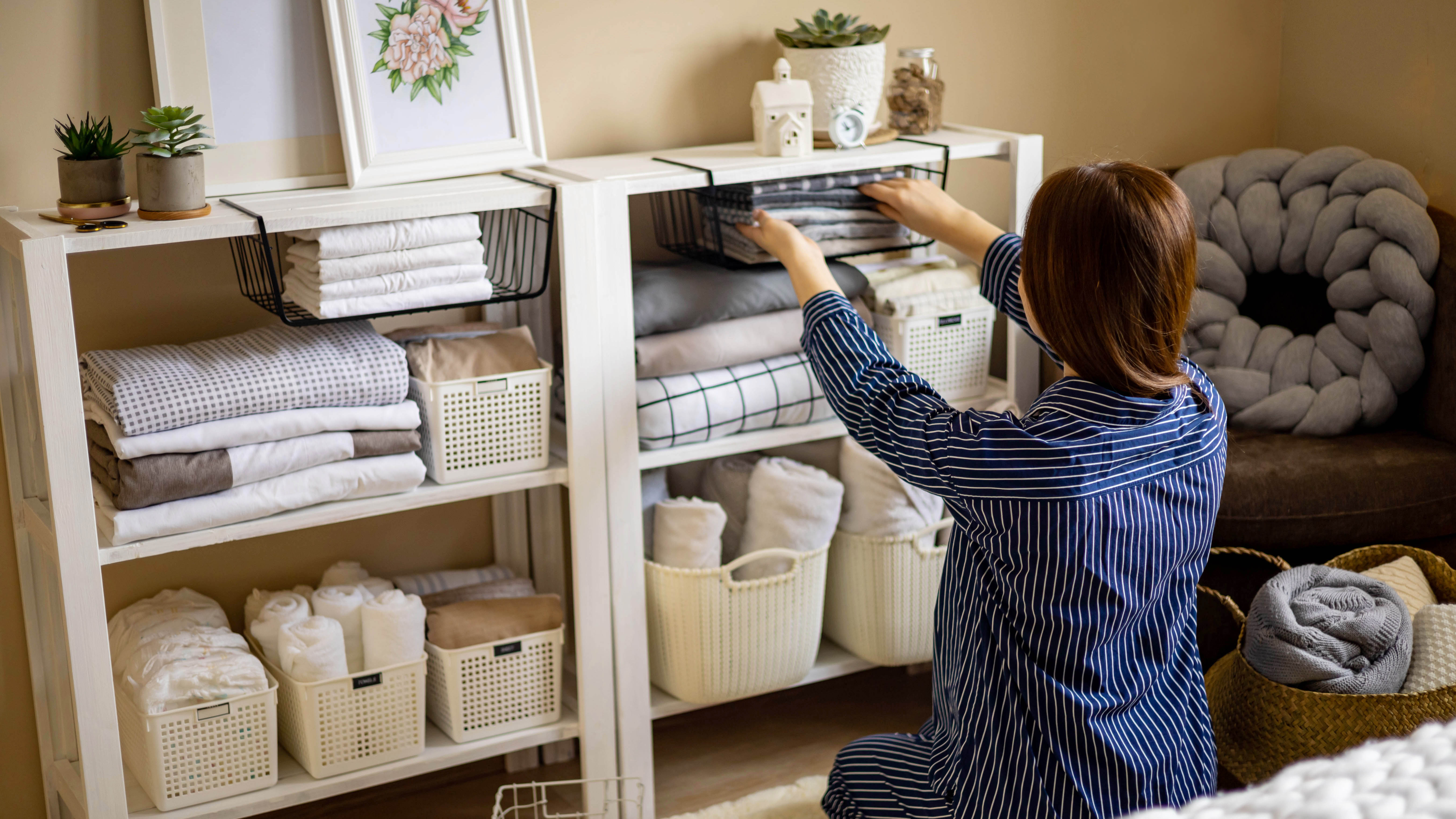
The best way to declutter is to start with one small area, sort your belongings into clear categories, remove things you no longer need, and give every item you keep a proper home. Small daily efforts can help you create a cleaner and more useful living space.
For many households in the United States, clutter builds up in ordinary ways. Mail collects on kitchen counters, clothes fill bedroom closets, old boxes take over garages, and unused items find their way into every spare corner. A busy work schedule, family needs, online shopping, and seasonal purchases can make it harder to keep everything in order.
Learning how to clear unwanted items does not mean getting rid of everything you own. It means making better choices about what deserves space in your home. A well-planned approach helps you keep useful belongings while removing things that no longer serve a purpose.
The most useful tips to declutter focus on simple actions. Work in small sections, make clear decisions, avoid buying storage before sorting, and remove unwanted items as soon as possible. You do not need to finish your entire house in one weekend.
This guide explains how to begin, what to keep, what to remove, and how to maintain your progress. It also covers difficult items, sentimental belongings, household paperwork, and practical ways to prevent clutter from returning.
The easiest way to begin decluttering is to choose one small area and finish it before moving to another. Looking at a whole house filled with belongings can feel stressful. A single drawer or shelf gives you a clear starting point and a task you can complete.
Choose an area that affects your daily routine. A crowded kitchen counter, messy entryway, or overflowing bedside table can be a good first target. Clearing a space you use often makes the results easy to see.
Set aside a short period for each session. Ten to fifteen minutes can be enough to sort a small area. If you have more time, continue working, but stop before you become too tired to make good decisions.
A simple plan also helps you avoid jumping between rooms. Finish the space you started, remove the unwanted items, and then choose your next task. Each completed area becomes a small step toward a more organized home.
Source: i.pinimg.com
Pick an easy starting point
Choose a small drawer, shelf, countertop, or cabinet. Avoid beginning with a packed attic or a room full of sentimental belongings.
Set a timer
Work for 10 to 15 minutes if you have a busy schedule. A short session is easier to repeat than a large project that takes an entire day.
Set one clear goal
Decide what success looks like before starting. For example, your goal could be to clear one kitchen drawer or remove unused shoes from the entryway.
Finish before moving on
Complete the sorting and put the items you are keeping back in their proper places. This prevents half-finished projects from spreading around the house.
Create a Simple Decluttering Schedule
A schedule can help you stay consistent without making decluttering feel like another full-time job. Divide your home into manageable tasks and spread them across several days or weeks.
For example, you could clear kitchen drawers on Monday, bathroom cabinets on Tuesday, bedroom closets on Wednesday, and living room shelves on Thursday. Use the weekend for larger areas such as the garage or basement.
Adjust the schedule to match your home and available time. A small apartment may need fewer sessions than a large family house. The goal is steady progress, not a strict deadline.
Daily task
Spend a few minutes clearing visible clutter from one frequently used surface.
Weekly task
Choose one drawer, cabinet, or storage area for a deeper review.
Monthly task
Review items that have collected in closets, spare rooms, and other storage spaces.
2. Use the Five-Category Sorting Method
A sorting system makes decluttering easier because every item has a clear next step. Instead of moving belongings from one pile to another, decide what should happen to each item as you pick it up.
Prepare five containers, boxes, or clearly marked areas. Label them Keep, Donate, Sell, Recycle, and Trash. You can also use a small temporary box for items that need more thought.
Work through one category of belongings at a time. For example, collect all your unused kitchen tools before deciding which ones to keep. This helps you see how many similar items you own and makes duplicate items easier to identify.
Once you finish sorting, deal with each category promptly. Put useful items away, arrange donation drop-offs, list suitable items for sale, and follow local disposal rules for waste and recycling.
Source: i.pinimg.com
Keep
Place useful belongings, everyday essentials, and meaningful items that you genuinely want to keep in this category.
Donate
Choose clean, safe, and usable belongings that another person or organization may need. Check donation rules before dropping anything off.
Sell
Set aside items with reasonable resale value, such as working electronics, furniture, and quality household goods.
Recycle
Separate suitable paper, cardboard, glass, metal, and accepted electronics according to local recycling rules.
Trash
Discard items that are damaged, unusable, contaminated, or not accepted by donation or recycling programs.
Ask These Questions Before Keeping an Item
It can be difficult to decide what belongs in your home. A few simple questions can help you make practical choices without spending too much time thinking about every object.
Consider how often you use something, whether it works properly, and whether you already own another item that serves the same purpose. Also think about the amount of space it takes up and whether it supports your current lifestyle.
Have I used it recently?
If an item has remained untouched for a long time, consider whether you have a real reason to keep it.
Does it work?
Keep working items that serve a purpose. Avoid holding onto broken objects without a realistic repair plan.
Do I own too many?
Compare similar belongings and keep a reasonable number based on your household’s needs.
Would I buy it again?
If you would not choose the item today, that may be a sign that it no longer deserves valuable space.
Does it have real meaning?
Keep personal belongings that hold genuine value, but remember that not every gift or old possession needs permanent storage.
3. Declutter Your Home Room by Room
Room-by-room decluttering helps you focus on the belongings that affect each space. Different rooms collect different types of clutter, so each one needs a slightly different approach.
Begin with rooms that you use every day. The kitchen, bathroom, bedroom, and living room often provide the most noticeable improvements. After these spaces are under control, move to closets, laundry areas, garages, and storage rooms.
Do not move unwanted belongings into another room just to make the current space look clean. This only shifts the problem. Sort items properly and remove anything you no longer need.
Source: i.pinimg.com
Kitchen
Remove expired pantry items, duplicate utensils, unused appliances, and broken dishes. Keep everyday tools close to the areas where you use them.
Living room
Clear old magazines, unused decorations, extra cables, and items that do not belong in the room. Keep frequently used objects within easy reach.
Bedroom
Review clothing, shoes, bedding, accessories, and bedside storage. Keep the items you use and make enough room for easy access.
Bathroom
Check expired toiletries, old cosmetics, empty bottles, and unused products. Store daily essentials together and keep counters as clear as possible.
Home office
Sort paperwork, office supplies, old electronics, and unused cables. Keep important records in a safe and clearly labeled place.
Garage
Group tools, outdoor equipment, sports gear, and seasonal decorations. Remove broken items and make sure walkways and exits remain clear.
Make the Kitchen Easier to Use
The kitchen can become crowded because it contains food, cooking tools, dishes, small appliances, and cleaning supplies. Start by checking the pantry and refrigerator, then move to cabinets and drawers.
Remove expired food and items that are no longer safe to use. Donate suitable unopened food only when an organization accepts it and the item meets its requirements.
Keep the tools you use most often in accessible places. If you own several similar utensils or containers, choose the number that fits your actual cooking habits.
Clear countertops
Keep only the appliances and tools you use regularly on visible surfaces.
Sort food storage
Group similar foods together and check dates before restocking shelves.
Review cookware
Remove damaged pans, unused gadgets, and duplicate kitchen tools that take up cabinet space.
Create a More Relaxing Bedroom
A crowded bedroom can make everyday routines harder. Start with the closet, then review drawers, nightstands, and storage under the bed.
Sort clothing by type and remove pieces that no longer fit, are damaged beyond repair, or do not suit your current needs. Keep seasonal clothes only when you have enough suitable storage space.
Avoid filling every empty shelf with decorative objects. A little open space makes it easier to clean and find what you need.
Review clothing
Keep clothes that fit, feel comfortable, and suit your daily activities.
Limit accessories
Group belts, bags, jewelry, and other accessories so you can see what you own.
Clear bedside storage
Keep only the items you use regularly near your bed.
Organize the Bathroom
Bathroom cabinets often collect half-used products, old cosmetics, empty containers, and duplicate toiletries. Take everything out and check each item before putting anything back.
Pay attention to expiration dates and product condition. Follow the label and local disposal guidance for medicines and personal care products. Do not flush unwanted medicines or chemicals unless official disposal instructions specifically direct you to do so.
Keep everyday products together and store less frequently used supplies in a separate area. This makes it easier to find essentials without crowding the counter.
Remove expired products
Check the dates and condition of cosmetics, skin care products, and toiletries.
Sort towels
Keep a practical number of clean towels and remove damaged or worn-out ones.
Group daily essentials
Use one accessible area for products you regularly use.
4. Remove Duplicate and Unused Belongings
Removing duplicates is one of the simplest ways to create more space without giving up useful items. Many homes contain several versions of the same object because people buy replacements, receive gifts, or forget what they already own.
Look for repeated kitchen tools, water bottles, storage containers, towels, stationery, chargers, and cleaning supplies. Decide how many you actually need based on the size of your household and how often you use each item.
Do not automatically throw away every extra item. Some duplicates are useful when you have a large family, host guests, or need backup equipment. The goal is to remove unnecessary extras, not create problems by getting rid of things you regularly need.
Unused belongings deserve the same review. A decorative object, old exercise machine, or unused appliance may take up valuable space even when it still works. If you have not used it and cannot identify a realistic future need, consider passing it on.
Source: i.pinimg.com
Compare similar items
Put matching objects together so you can see how many you own and identify unnecessary extras.
Keep the best condition
When several objects serve the same purpose, keep the working and useful versions.
Review unused gifts
You can appreciate the person who gave a gift without keeping an object that does not suit your home.
Check hobby supplies
Keep equipment for hobbies you still enjoy and consider passing on supplies for activities you no longer pursue.
Use the Container Method
The container method gives each type of belonging a fixed amount of space. For example, you might use one basket for cleaning cloths, one drawer for stationery, or one shelf for books.
When a category fills its assigned space, review the contents before adding another container. Remove items that are broken, unused, or less useful than the belongings you want to keep.
This method creates a practical limit. Instead of buying more shelves whenever a collection grows, you make decisions based on the space available in your home.
Set a clear limit
Choose one drawer, shelf, basket, or cabinet for each category.
Keep related items together
Store similar belongings in the same place so they are easier to find.
Review before expanding
If the container becomes full, remove unused items before creating more storage.
Avoid Buying Organizers Too Early
Storage products can make a home look neat, but they do not reduce the number of belongings you own. Buying bins before sorting may simply give clutter a new place to collect.
First remove unnecessary items, measure the remaining space, and decide what needs to be stored. Then choose containers that match the items and the available area.
You may already have useful storage materials at home. Reuse suitable boxes, baskets, jars, and drawer dividers when they are clean and safe for their intended purpose.
Measure first
Check shelf width, cabinet depth, and available height before choosing storage products.
Choose practical storage
Use clear containers for items you need to see and labeled containers for belongings stored out of sight.
Avoid overfilling
Leave enough room to remove and return belongings without creating another mess.
5. Handle Sentimental Items Without Rushing
Sentimental belongings are often the hardest items to declutter because they carry memories and personal meaning. Old photographs, family letters, childhood toys, inherited furniture, and gifts can make even simple decisions feel difficult.
You do not have to remove meaningful objects to create an organized home. Instead, decide which belongings deserve to be kept and how much space you can reasonably give them.
Start with easier items before handling emotional ones. If a particular object brings back strong memories, place it in a temporary review box and return to it when you feel ready. There is no need to force a decision during one session.
Remember that a memory does not depend on owning every object connected to it. Photographs, written stories, and digital copies can help preserve some memories while allowing you to let go of physical items you do not need.
Source: simplelionheartlife.com
Keep meaningful favorites
Choose objects that have a genuine personal connection rather than keeping every item from the past.
Take photographs
Create digital records of objects that hold memories but take up too much physical space.
Set a memory box limit
Use one clearly defined box or storage area for small sentimental belongings.
Ask for support
Invite a trusted family member or friend to help if sorting through belongings feels emotionally difficult.
What Should You Do With Old Gifts?
A gift can have emotional value even when you do not use it. However, keeping every gift out of guilt can make your home harder to manage.
Think about whether the object is useful, meaningful, or something you genuinely enjoy seeing. If it does not fit your life, you can thank the giver in your own way and pass the item to someone who may use it.
For valuable family heirlooms, discuss the decision with relatives before giving them away. Some objects may have shared ownership or family significance.
Keep useful gifts
Give regularly used gifts a suitable place in your home.
Pass on unwanted gifts
Donate or gift suitable belongings that someone else can use.
Preserve special memories
Keep a small selection of meaningful objects instead of storing every gift.
6. Deal With Paperwork and Digital Clutter
Decluttering is not limited to physical belongings. Paper records, email messages, unused apps, old downloads, and duplicate digital files can also make everyday tasks harder.
Begin with household paperwork. Sort letters, bills, receipts, school records, insurance documents, and other papers into categories. Recycle ordinary unwanted paper and securely destroy documents containing personal or financial information when they are no longer needed.
Do not throw away important records simply because they look old. Tax documents, legal papers, property records, medical records, and insurance information may have specific retention needs. Check the relevant official guidance before disposing of them.
Digital clutter also deserves attention. Delete duplicate files, organize useful photographs, remove unused applications, and unsubscribe from unwanted email lists. Back up important files before deleting them.
Source: i.pinimg.com
Sort incoming mail
Separate important letters, bills, advertisements, and unwanted mail as soon as possible.
Create a document system
Use clearly labeled folders for important household, financial, legal, and personal records.
Protect personal information
Shred or securely destroy sensitive paperwork instead of placing it in ordinary recycling.
Clean digital storage
Remove duplicate downloads, unused files, and unnecessary applications after checking that important data is backed up.
Organize photographs
Group digital photos by year, event, or family member so important memories are easier to find.
Create a Simple Paperwork Routine
A small paperwork routine can prevent envelopes and documents from spreading across tables and counters. Choose one location for incoming mail and review it regularly.
Pay important bills on time, file documents that need to be kept, and remove advertisements or papers that have no lasting value. Avoid keeping every receipt unless it is needed for a return, warranty, reimbursement, tax record, or other specific purpose.
For records that must be retained, use secure storage and keep them protected from water, damage, and unauthorized access.
Create an incoming paper tray
Keep new mail in one location until you have time to review it.
File important records
Store documents in labeled folders or a secure digital system.
Review regularly
Set aside time each week to clear papers that no longer need attention.
7. Find Responsible Ways to Remove Unwanted Items
Decluttering is not complete when unwanted belongings are placed in bags or boxes. You also need a realistic plan to remove them from your home.
Donation is a useful option for clean and usable items. Local charities, community organizations, thrift stores, shelters, and other groups may accept certain household goods. Contact the organization first because accepted items, condition rules, and collection services can vary.
Selling can help you recover some money from valuable belongings. However, selling takes time. You may need to photograph items, write descriptions, answer questions, arrange collection, and negotiate prices.
Recycling is suitable for certain materials, but not everything belongs in a curbside recycling bin. Check your local waste service for accepted materials and collection rules. Electronics, batteries, paint, chemicals, and some household products may need special handling.
Do not donate damaged, unsafe, dirty, or recalled products. Items such as used mattresses, opened toiletries, broken appliances, and certain baby products may not be accepted. Check the receiving organization’s rules before making a donation.
Source: cdn.mos.cms.futurecdn.net
Donate usable belongings
Give suitable clothing, furniture, books, and household goods to organizations that accept them.
Sell valuable items
Use appropriate resale platforms for working electronics, furniture, tools, and other items with realistic market value.
Recycle accepted materials
Follow local recycling instructions for paper, cardboard, glass, metal, and approved electronic waste.
Dispose of hazardous products safely
Follow local household hazardous waste guidance for chemicals, paint, batteries, and similar materials.
Remove trash promptly
Take ordinary waste out after sorting so unwanted belongings do not remain in your home.
Should You Sell or Donate Unwanted Items?
The best option depends on the item’s condition, value, and the time you can spend handling it. A working appliance or quality piece of furniture may be worth selling, while ordinary clothing and household goods may be easier to donate.
Avoid keeping unwanted belongings for months because you hope to make a small amount of money. Decide on a reasonable deadline for listing an item and have a backup plan if it does not sell.
For example, you could list a usable chair for a limited period. If no suitable buyer appears, contact a donation organization that accepts furniture or arrange another appropriate disposal method.
Sell when the value justifies the effort
Choose this option for useful items that have reasonable resale value and are worth the time required.
Donate when convenience matters
Choose donation when an item is useful to others but not worth the effort of selling.
Recycle or dispose of damaged items
Use the correct local waste route for items that cannot be safely reused.
8. Build Habits That Prevent Clutter From Returning
Keeping a home organized is easier when you prevent unnecessary belongings from entering in the first place. A successful decluttering project should include simple habits that support the results.
One useful habit is the one-in, one-out rule. When you bring a new item into a category, consider removing an older item from that same category. For example, if you buy a new pair of everyday shoes, review whether an older pair still deserves space.
Another useful habit is returning belongings to their proper places after use. A coat belongs on a hook, mail belongs in its designated tray, and cleaning supplies should return to their storage area.
Shopping habits also matter. Before buying something, check whether you already own a similar item. Think about where the new purchase will go and whether you genuinely need it.
A few minutes of daily maintenance can prevent small messes from becoming large projects. Focus on clearing surfaces, putting away belongings, and dealing with incoming items before they spread.
Follow the one-in, one-out rule
Review existing belongings when buying new clothing, shoes, kitchen tools, decorations, or other household items.
Use the one-touch habit
When practical, decide where an item belongs when you first pick it up instead of leaving it for later.
Set a daily reset time
Spend five to ten minutes returning belongings to their proper places.
Control incoming purchases
Pause before buying items that duplicate things you already own.
Review storage areas
Check closets, drawers, and shelves regularly so unused items do not collect unnoticed.
Create a Simple Daily Reset Routine
A daily reset is a short routine that helps return your home to a usable condition. It does not require deep cleaning or a complete room makeover.
Start by clearing the kitchen counter, putting away shoes, collecting loose items, and returning everyday objects to their storage places. Ask other household members to take responsibility for their own belongings.
Choose a time that fits your routine. You might do a quick reset after dinner, before going to bed, or before leaving for work. Repeating the same small actions makes organization easier to maintain.
Clear visible surfaces
Remove unnecessary objects from counters, tables, and other frequently used areas.
Return items to storage
Put shoes, clothing, toys, tools, and other belongings where they belong.
Prepare for the next day
Keep the items you need tomorrow in their proper places without allowing unnecessary objects to collect.
9. Common Decluttering Mistakes to Avoid
Some decluttering habits can make the process slower and less effective. Knowing what to avoid can help you protect your progress and make better decisions.
The biggest mistake is trying to do too much at once. Emptying several rooms without enough time to finish can leave belongings scattered throughout your home. Work in manageable sections and complete each one before moving forward.
Another common problem is confusing organization with decluttering. Attractive containers may hide unwanted items, but they do not solve the problem of owning too much. Remove unnecessary belongings before organizing what remains.
People also sometimes keep items because they feel guilty about their cost. However, the money has already been spent. Keeping something you never use does not recover that expense.
Finally, avoid creating donation or selling piles without a clear deadline. Unwanted belongings can quickly become another source of clutter if they remain in your hallway or garage for weeks.
Starting too many projects
Work on one small space at a time instead of emptying several rooms and leaving unfinished piles.
Buying too much storage
Sort belongings first and buy only the storage products you actually need.
Keeping everything just in case
Consider how likely you are to need an item and whether it would be practical to replace if necessary.
Holding onto unwanted purchases
Do not keep unused items only because they were expensive. Consider their current usefulness.
Ignoring donation piles
Arrange collection or drop-off promptly so unwanted belongings do not remain in your home.
Being too strict
Do not force yourself to discard useful essentials or meaningful belongings just to reach a certain number of items.
What If You Feel Overwhelmed?
If decluttering starts to feel overwhelming, stop and reduce the size of the task. You do not have to finish a whole room or make every difficult decision in one session.
Choose three easy items to remove, clear one small surface, or work for just five minutes. A smaller task can help you regain control without adding more pressure.
If clutter affects your ability to use important areas of your home safely, or the process causes serious distress, consider asking a trusted person or a qualified professional organizer for support. Do not attempt to move heavy or hazardous items alone.
Reduce the task
Choose a smaller area or category that you can complete without stress.
Take a short break
Pause when you feel tired or unable to make clear decisions.
Ask for help
Invite someone you trust to support you with difficult decisions or physically demanding tasks.
10. A Practical Seven-Day Decluttering Plan
A seven-day plan can help you make a clear start without spending an entire week cleaning. The following example focuses on common household areas and can be adjusted to match the size of your home.
Each day has one main task. You can spend 15 to 30 minutes on smaller areas and allow more time for larger spaces. If a task takes longer, finish it before moving on rather than rushing through the process.
The plan also includes time to remove unwanted belongings. This is important because sorting alone does not create lasting results. Items need to leave your home or reach their proper storage locations.
Day 1: Kitchen
Clear one or two drawers, check pantry items, remove damaged cookware, and organize everyday utensils.
Day 2: Living room
Remove old magazines, unused decorations, loose cables, and items that belong in other rooms.
Day 3: Bedroom
Review clothing, shoes, bedside storage, and accessories. Set aside suitable items for donation.
Day 4: Bathroom
Check toiletries, cosmetics, towels, and bathroom storage. Dispose of unsuitable products correctly.
Day 5: Paperwork and office
Sort mail, old documents, stationery, cables, and unused office equipment.
Day 6: Closets and storage
Review seasonal clothing, household supplies, spare bedding, and items stored out of sight.
Day 7: Remove and review
Complete donation drop-offs, arrange recycling, list selected items for sale, and review your progress.
How to Measure Your Progress
You do not need to count every item you remove to know whether your decluttering work is successful. Look at how well your home supports your daily activities.
A useful sign of progress is being able to find common belongings without searching through crowded drawers. You should also have enough room to use shelves, cabinets, counters, and walkways comfortably.
Take photographs of selected areas before and after your work if you want a visual record. Compare the same area from a similar angle to see the changes clearly.
More usable space
You can open drawers, use shelves, and move through rooms without unnecessary obstacles.
Easier daily routines
Frequently used belongings are easy to find and return to their proper places.
Less unnecessary storage
You no longer need to fill every available corner with items you rarely use.
Better maintenance
You can keep the space organized with short, regular cleaning sessions.
11. Important Questions to Ask Before and After Decluttering
Decluttering often leads to practical questions that go beyond removing unwanted belongings. You may need to decide how much to keep, how to manage a shared household, or what to do with items that cannot be donated.
The best decisions depend on the type of item, your available space, your household needs, and the rules of local donation and waste services. Use the following questions to guide your next steps.
How much should I remove?
There is no required number. Remove items that are unnecessary while keeping the belongings needed for daily life, work, hobbies, and personal meaning.
Should I declutter one room or one category?
Use a room-based approach when you want to improve a specific space. Use a category-based approach when similar items are spread across several rooms.
What if other family members do not want to declutter?
Focus on your own belongings and shared spaces through discussion. Do not discard another person’s possessions without permission.
What should I do with items that cannot be donated?
Check local recycling, special collection, repair, and waste disposal options based on the item’s material and condition.
How often should I repeat the process?
Use short daily resets, regular monthly reviews, and larger seasonal sessions as needed. The right schedule depends on how quickly your household accumulates belongings.
Frequently Asked Questions
Q
What is the easiest way to start decluttering?
The easiest way to start is to choose one small area, such as a drawer, shelf, or kitchen counter. Set a timer for 10 to 15 minutes and sort the belongings into keep, donate, sell, recycle, and trash categories.
Finish that small area before moving to another space. This approach helps you see progress and prevents a large project from becoming overwhelming.
Q
What should I declutter first?
Start with an area that collects everyday clutter but does not require many emotional decisions. Kitchen counters, bathroom drawers, entryway shelves, and bedside tables are useful starting points.
Once these areas are clear, move to larger spaces such as closets, storage rooms, and garages.
Q
How do I declutter when I have too much stuff?
Break the work into smaller categories and avoid trying to handle everything at once. Start with duplicates, broken objects, expired products, and belongings you clearly no longer use.
Use a sorting system and arrange for unwanted items to leave your home promptly. If the amount of clutter is difficult to manage alone, ask a trusted person or professional organizer for help.
Q
How can I declutter without throwing away useful things?
Focus on removing unnecessary belongings rather than reducing everything you own. Keep items that support your daily activities, have a clear purpose, or hold genuine personal meaning.
Donate or sell usable items that you no longer need. Recycle suitable materials and use appropriate disposal methods for belongings that cannot be reused.
Q
How long does it take to declutter a house?
The time depends on the size of your home, the amount of clutter, the number of people involved, and how much time you can set aside. A small apartment may need only a few focused sessions, while a large home with packed storage areas may require several weeks or longer.
A realistic schedule is more useful than trying to finish everything in one day. Work at a steady pace and complete each area before starting another.
Q
What is the 20/20 rule for decluttering?
The 20/20 rule is a decision-making guideline sometimes used to assess rarely used items. It suggests considering whether an item could be replaced for less than $20 and obtained within about 20 minutes if you needed it again.
This is not a universal rule. It may help with ordinary, easily replaceable belongings, but it should not be used for important documents, emergency supplies, specialized tools, or items with personal or safety value.
Q
How do I stop clutter from coming back?
Create a simple maintenance routine. Return belongings to their proper places, review incoming purchases, and use the one-in, one-out rule for categories that tend to grow.
Spend a few minutes each day clearing common areas and schedule a regular review of closets, drawers, and storage spaces. Consistent small actions can help prevent another major decluttering project.
Q
Should I buy storage bins before decluttering?
It is usually better to declutter before buying storage products. First decide what you want to keep, then measure the available space and choose containers that fit your remaining belongings.
Buying bins too early can encourage you to store unnecessary items instead of removing them. Reuse suitable containers you already own whenever practical.
✦ Wrapping Up
Conclusion
A cleaner and more organized home begins with small, practical decisions. You do not need to remove every decoration, empty every closet, or follow a strict minimalist lifestyle to enjoy a more useful living space.
The most effective tips to declutter focus on one area at a time, sorting belongings carefully, removing duplicates, and giving the items you keep a proper place. A clear donation and disposal plan also helps you finish each project instead of moving unwanted belongings from one room to another.
Remember that decluttering is an ongoing habit rather than a one-time event. Regular reviews, thoughtful shopping, and short daily resets can help prevent clutter from returning. Adjust your routine as your household needs change.
💡 Key Takeaway
Start today with one drawer or shelf. Set a 15-minute timer, sort every item into the right category, remove unwanted belongings, and put useful items back in their proper places. Repeat the process one small area at a time until your home feels easier to use and maintain.