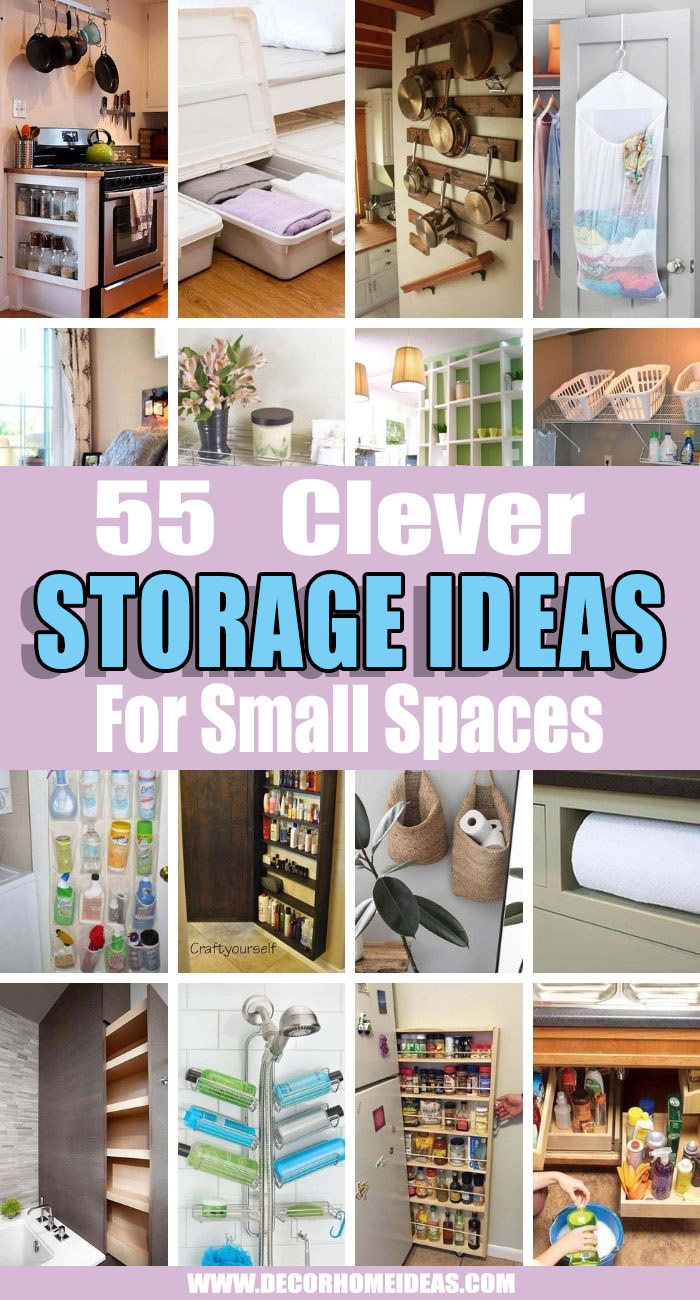
The best storage ideas for small places use vertical space, hidden areas, furniture with built-in storage, wall shelves, and smart organizers. These simple changes help keep a home neat without taking up more floor space.
Small homes, apartments, studios, and condos are common across the United States. Many people have to make the most of limited bedrooms, narrow kitchens, compact bathrooms, and shared living areas. A lack of storage can make even a clean home feel crowded. The solution is to use the space you already have in a more thoughtful way.
Good storage starts with knowing what you own and where you use it. Items used each day should stay easy to reach, while seasonal clothes, spare bedding, and other items can go in less accessible places. This simple rule can make a small room feel much easier to manage.
You do not need a full home makeover to create more storage. A few wall shelves, baskets, drawer dividers, and furniture pieces with hidden space can make a real difference. The ideas in this guide cover different rooms, budgets, and home layouts so you can choose what works for your space.
The goal is not to fill every empty corner with boxes. It is to create a home where each item has a clear place and where people can move, sit, cook, sleep, and relax with ease.
Vertical storage is one of the most useful ways to organize a small home. Instead of spreading items across the floor, use the walls to create extra storage. This approach works well in bedrooms, kitchens, bathrooms, hallways, and living rooms.
Most rooms have unused wall space above furniture and near doors. Adding shelves or wall-mounted storage can turn these areas into useful spots. It also keeps floors clear, which helps a room feel more open.
Before installing anything, check the wall type and the weight the storage will hold. Use suitable anchors or fasteners, and follow the product instructions. Heavy items should not rest on shelves that are designed only for light decor.
Source: Pinterest
Install floating shelves
Use floating shelves for books, framed photos, small plants, folded towels, and everyday items. Place them above desks, sofas, or dressers where they do not block movement.
Add tall bookcases
A narrow, tall bookcase can hold books, baskets, office supplies, and household items while using less floor space than a wide cabinet.
Use wall hooks
Mount hooks for coats, bags, keys, hats, and cleaning tools. Hooks near entry doors can prevent these items from collecting on chairs and tables.
Choose wall-mounted organizers
Use small wall organizers for mail, chargers, craft supplies, or kitchen tools. They work best when placed close to the area where each item is used.
Make Use of the Space Above Doors
The wall above a door is often left empty. A properly installed shelf can hold light storage baskets, spare towels, or items used only once in a while. This can be useful in bathrooms, laundry rooms, and small bedrooms.
Keep the shelf high enough to avoid head injuries and leave enough room for the door to open. Do not store heavy objects overhead, especially above beds or seating areas.
Store seasonal items
Use labeled bins for holiday decorations, spare linens, and other items that do not need daily access.
Avoid placing too many items above a doorway. A small number of light, stable containers is easier to manage.
2. Choose Furniture With Built-In Storage
Furniture with built-in storage helps a small home serve two purposes at once. A bed can provide a place to sleep and store clothes. A bench can offer seating and hide shoes or blankets. This reduces the need for extra cabinets and storage boxes.
Look for furniture that fits the room and supports the way you live. A large storage unit may hold many things, but it can make a small room hard to use. Measure the full width, depth, and height before buying any new piece.
Think about access as well as capacity. A storage bed with drawers may be useful if there is room to pull them out. A lift-up bed may work better when the sides are close to walls or other furniture.
Source: www.pinterest.com
Use a storage bed
Choose a bed with built-in drawers or an open storage base. Store spare bedding, seasonal clothes, shoes, and extra pillows in clearly labeled containers.
Add an ottoman with storage
A storage ottoman can work as a footrest, extra seat, and hidden container for blankets, toys, or magazines.
Buy a storage bench
Place a bench near the entrance or at the end of a bed. Use its inner compartment for shoes, bags, scarves, or household supplies.
Select nesting tables
Nesting tables fit inside one another when not in use. Some designs also include shelves or small drawers for remote controls and other essentials.
Consider a desk with drawers
A compact desk with built-in storage can hold work supplies without requiring a separate filing cabinet.
Use a Sofa With Hidden Storage
A sofa with storage under the seat can hold blankets, board games, spare cushions, and other living room items. This is useful when there is little room for a large storage cabinet.
Check how the storage section opens before choosing a sofa. Make sure there is enough clearance and that the design allows regular access without moving other furniture.
Store living room supplies
Keep items that belong in the living room together so you do not need to search through several cabinets.
Avoid overfilling
Leave enough room for the seat mechanism to open and close safely. Follow the furniture maker’s weight and use instructions.
3. Make Better Use of Under-Bed Storage
The space under a bed can provide useful storage without taking up another part of the room. It is often large enough for clothing, bedding, shoes, bags, and other household items. This makes it a good place to store things that do not need daily access.
Start by measuring the gap between the floor and the bed frame. Check the available height, width, and depth before buying containers. Low bins with wheels can make it easier to reach items under a bed.
Choose containers with lids when you want to protect belongings from dust. Clear containers can help you see what is inside, while labeled fabric boxes may be easier to handle and store.
Source: homemakerandhappy.com
Use flat storage bins
Choose shallow containers that slide under the bed without scraping the floor or getting stuck.
Store seasonal clothing
Keep winter sweaters, coats, and extra blankets in clean containers when they are not in regular use.
Use vacuum storage bags carefully
Vacuum bags can reduce the space taken by suitable soft items. Follow care labels because compression may not suit every fabric or filling.
Keep a simple label system
Mark each container with its contents so you can find items without opening every box.
Keep Under-Bed Storage Clean and Dry
Under-bed areas can collect dust and may have poor airflow. Clean the space before adding storage, and check for dampness or signs of pests. Do not store important papers, electronics, or moisture-sensitive items in a damp area.
Leave enough room to move containers in and out. If the bed sits too close to the floor, use a different storage location rather than forcing large boxes underneath it.
Clean before storing
Vacuum or sweep beneath the bed on a regular schedule.
Use suitable containers
Choose dry, clean storage bins that protect the items you plan to keep there.
4. Turn Small Kitchen Areas Into Useful Storage
Small kitchens need storage that keeps cooking tools easy to reach. A crowded counter makes meal preparation harder, while poorly arranged cabinets can hide items at the back. The best approach is to use cabinet interiors, wall space, and narrow gaps more effectively.
Group kitchen items by purpose. Keep cooking tools near the stove, cups near the coffee or drink area, and food containers close to the place where you prepare meals. This reduces unnecessary movement and makes it easier to return things after use.
Do not block ventilation, heat sources, or access to plumbing and electrical equipment. Keep items that can melt or catch fire away from hot appliances.
Source: homedecoradvice.com
Install a magnetic knife strip
A suitable magnetic strip can keep knives off the counter and make them easy to reach. Mount it securely and place it away from children’s access.
Use cabinet door organizers
Attach suitable organizers to cabinet doors for lightweight items such as measuring spoons, food wraps, and small cleaning supplies.
Add a pull-out pantry
A narrow pull-out unit can use an unused gap beside a cabinet or refrigerator. Measure the opening and check that the unit can move freely.
Use stackable containers
Matching containers help organize dry foods and make better use of shelf height. Label them with the food name and relevant date information.
Hang everyday tools
A wall rail with hooks can hold selected utensils, oven mitts, and other tools when installed away from heat and cooking splashes.
Organize the Space Under the Kitchen Sink
The area beneath the sink often becomes a collection point for cleaning products, spare sponges, and bags. A small tiered rack or pull-out basket can make this space easier to use. Leave room around pipes and check for leaks before storing supplies.
Keep cleaning chemicals in their original containers and follow their label instructions. Store them away from food, cookware, and children’s reach. Never mix cleaning products unless their labels clearly permit it.
Use a two-level organizer
Choose a rack designed to fit around the plumbing and make good use of the cabinet’s height.
Group cleaning supplies
Keep related products together in a stable, easy-to-remove basket.
Leave access to pipes
Do not cover valves, drain connections, or areas that need regular inspection.
5. Create Smart Storage in a Small Bathroom
Bathrooms often have limited cabinet space, but their walls and cabinet interiors can hold more than many people expect. The key is to keep everyday products organized while protecting them from moisture. Use storage that is suitable for a humid room.
Start by removing empty bottles and products that are no longer used. Then group the remaining items by purpose, such as daily skincare, hair care, bath supplies, and cleaning products. This makes it easier to see which organizers you actually need.
Choose materials that can handle bathroom conditions. Metal parts should be suitable for damp areas, and fabric containers should be washable or kept away from wet surfaces.
Source: themodernfield.com
Add shelves above the toilet
A freestanding or properly secured over-toilet shelf can hold towels, toilet paper, and small baskets without using much floor space.
Install a shower caddy
A suitable shower caddy keeps shampoo, soap, and other bath items together. Choose a design that fits the shower and does not block fixtures.
Use drawer dividers
Separate small products, brushes, razors, and personal care tools so they do not become mixed together.
Hang a towel rack
Use a suitable wall-mounted towel bar or hooks to keep towels off counters and provide room for them to dry.
Add narrow rolling storage
A slim cart can fit into a suitable gap and hold extra toiletries or bathroom supplies. Check that it does not block access or create a trip hazard.
Keep Bathroom Storage Dry and Safe
Moisture can damage paper products, some fabrics, and certain finishes. Keep spare toilet paper and clean towels in a dry cabinet or closed container away from direct splashes.
Store medicines according to their labels rather than assuming a bathroom cabinet is suitable. Heat and humidity may affect some products, so use the storage conditions listed by the manufacturer.
Choose closed storage
Use a cabinet or lidded bin for products that need protection from splashes and moisture.
Avoid overcrowding
Leave room to clean surfaces and reach plumbing fixtures when needed.
6. Use Corners and Narrow Gaps
Corners and narrow gaps can provide useful storage when you choose furniture that fits the space. These areas are often overlooked because standard cabinets and shelves may be too wide. A corner shelf, slim cart, or narrow cabinet can make them more useful.
Measure the space at several points before buying a storage unit. Walls and floors are not always perfectly straight, and a product that fits at the top may not fit at the bottom. Also consider doors, drawers, and walkways.
Do not place storage where it blocks an exit, heater, air vent, or access to an appliance. A storage solution should improve the room rather than make it harder to move around.
Source: decorhomeideas.com
Add corner shelves
Use corner shelves for books, plants, small baskets, and decorative objects. Select a design that fits the wall angle.
Try a slim rolling cart
A narrow cart can fit beside a refrigerator, washing machine, desk, or bathroom cabinet when the space is suitable.
Use corner cabinets
A corner cabinet can store household supplies, dishes, or other items that need a dedicated home.
Choose narrow shoe storage
A slim shoe cabinet can organize footwear near the entrance without using the space of a deep rack.
Make Hallways More Useful
A hallway can become a practical storage zone with a slim console, a small shoe cabinet, or a row of wall hooks. These pieces can help control everyday clutter near the entrance.
Keep the walking path clear and check local building or fire-safety requirements where they apply. Avoid placing deep furniture or loose baskets where people may trip.
Use a slim entry cabinet
Store shoes, umbrellas, and small accessories in a unit that does not narrow the walkway.
Create a key station
Add a small tray or wall organizer for keys, mail, and other items you need before leaving home.
7. Organize Closets With Better Storage Systems
A small closet can hold more when you divide it into clear sections. Many closets have unused space above the clothing rail, below hanging clothes, and along the inside of the door. Simple organizers can help use these areas without adding another wardrobe.
Start by taking everything out and sorting it into groups. Keep items you wear often in easy-to-reach places. Move seasonal clothes and occasional accessories to upper shelves or labeled containers.
Do not buy organizers before measuring the closet. Check the rail height, shelf depth, door swing, and available floor space. A system that is too large can make the closet harder to use.
Source: farmfoodfamily.com
Add a second hanging rod
A second rod can double the hanging area for shorter items such as shirts, skirts, and folded trousers when the closet has enough height.
Use hanging organizers
Fabric hanging shelves can hold sweaters, bags, towels, and other lightweight items.
Install shelf dividers
Dividers help keep folded clothes and bags in separate sections so piles are easier to maintain.
Store shoes vertically
A hanging shoe organizer or tiered rack can keep footwear together while reducing floor clutter.
Use the closet door
An over-door organizer can hold lightweight accessories, scarves, belts, and small household items when the door and frame support it.
Use Matching Bins and Clear Labels
Matching bins create a more orderly closet and help prevent small items from spreading across shelves. Clear bins are useful when you want to see the contents without opening them. Fabric bins may be better for light clothing and accessories.
Use short labels such as socks, winter clothes, bags, and spare towels. Keep each category in one place and return items after use. This makes the system easier to maintain over time.
Group similar items
Keep accessories, clothing, and household textiles in separate containers.
Place heavy items low
Store heavier containers on lower, stable shelves and lighter items higher up.
8. Create Hidden Storage in Living Rooms
Living rooms often serve several purposes in small homes. They may be used for relaxing, working, entertaining, and spending time with family. Hidden storage can help these different activities share one space without leaving everything on display.
Choose storage that matches the room’s daily use. A cabinet with closed doors can hide cables, games, and spare items. A coffee table with a lower shelf can hold books and magazines while keeping the main surface free.
Try to keep frequently used objects close to where they belong. Remote controls can stay in a small tray, while board games can go in a labeled cabinet. This reduces the chance that items will spread across the room.
Source: mycreativedays.com
Choose a coffee table with storage
Look for a table with drawers, shelves, or a lift-up top to hold remotes, books, chargers, and other living room essentials.
Use decorative baskets
Place baskets beside a sofa or under a console table to hold blankets, toys, and magazines.
Add a closed media cabinet
A compact cabinet can organize game systems, cables, accessories, and media supplies.
Install shelves around the television
A suitable wall shelf system can store small items without requiring a wide entertainment unit.
Manage Cables and Small Electronics
Loose cables can make a small living room look messy and create a tripping risk. Use suitable cable clips, sleeves, or organizers to keep cords together and out of walking paths.
Do not cover power strips or place electrical equipment inside a closed container unless the manufacturer allows it. Keep devices ventilated and follow their electrical and heat-safety instructions.
Label charging cables
Use simple labels to identify which cable belongs to each device.
Use a charging station
Create one safe charging area so phones, tablets, and their cables do not spread across tables.
9. Add Storage to a Small Home Office
A small home office needs a clear work surface and an easy way to manage papers, devices, and supplies. A large desk is not always necessary. A compact desk with drawers or a wall-mounted work surface may provide enough room for daily tasks.
Store work items near the desk so you can find them quickly. Use drawer dividers for pens and small tools, and place documents in labeled folders. Move supplies that are rarely used to a separate cabinet or upper shelf.
If the same room serves as a bedroom or living area, choose storage that can close when work is finished. This helps the space return to its main purpose.
Use a wall-mounted desk
A suitable fold-down desk can create a work area that takes up less space when not in use.
Add a rolling drawer unit
A small drawer unit can fit beneath a desk and hold office supplies, documents, and accessories.
Install a pegboard
A properly mounted pegboard can organize lightweight tools, headphones, stationery, and small office items.
Create a paper filing system
Use labeled folders or a compact file box to separate important papers, bills, and work documents.
Keep Your Desk Surface Clear
A clear desk makes it easier to focus and complete tasks. Keep only the items needed for the current activity on the main surface. Put other supplies in drawers, wall organizers, or labeled containers.
Review papers and digital files on a regular schedule. Shred or recycle papers that no longer need to be kept, while protecting documents that contain personal information.
Use a small desk tray
Keep current papers and notes in one defined area.
Store spare supplies elsewhere
Move extra notebooks, printer paper, and backup accessories to a separate storage area.
10. Make Small Entryways and Laundry Areas Work Harder
Entryways and laundry spaces often become cluttered because they handle many daily tasks. Shoes, bags, coats, cleaning tools, and laundry supplies may all compete for the same small area. A few simple zones can make these spaces easier to use.
In an entryway, give each person a place for frequently used items. In a laundry area, keep washing products near the machine and clean supplies in a separate section. Use vertical storage where it does not block appliance access or ventilation.
Always check the manufacturer’s instructions before adding racks or organizers around washers and dryers. Keep products away from heat sources and avoid blocking vents, electrical connections, and water shut-off points.
Use a wall hook station
Give coats, backpacks, and reusable bags a dedicated place near the entrance.
Add a shoe rack
Choose a narrow rack that fits the entryway and allows easy cleaning underneath.
Install a laundry shelf
Use a suitable shelf for laundry supplies, with enough clearance around appliances and controls.
Use labeled laundry baskets
Separate lights, darks, towels, and other laundry groups when this makes washing easier.
Hang cleaning tools
Use suitable wall hooks or a cleaning-tool holder for brooms and mops, keeping them out of the walkway.
Create a Simple Drop Zone
A drop zone is a small area where you place items when entering your home. It can be a narrow shelf, a wall organizer, or a small cabinet. Keeping keys, mail, bags, and shoes in one place prevents clutter from spreading.
The system should be easy to use. If it takes too many steps to put something away, people may leave it on the nearest chair or table. Keep the most frequently used items at a convenient height.
Add a small tray
Use it for keys, loose change, and other small everyday objects.
Keep mail organized
Use separate sections for papers that need action and papers ready for recycling.
11. Use Affordable DIY Storage Ideas
You can improve storage without spending a lot of money. Many homes already have useful containers, boxes, baskets, and furniture that can be reused. Before buying new products, check what you own and identify where storage is actually missing.
DIY storage works best when it solves a clear problem. A box can organize cables, a small basket can hold cleaning cloths, and a simple divider can separate items in a drawer. The container should fit the space and be strong enough for its intended use.
Avoid using damaged boxes or unstable homemade shelves for heavy items. Do not attach storage to a wall without checking the wall material and using suitable fasteners. For large or heavy installations, get help from a qualified installer when needed.
Reuse sturdy boxes
Use clean, dry boxes to group lightweight items inside closets or cabinets. Replace boxes that become weak or damp.
Turn jars into organizers
Clean glass jars can hold craft supplies, small office items, and other suitable objects. Keep breakable jars in stable locations.
Make drawer dividers
Use suitable cardboard or reusable dividers to separate small items and stop them from mixing together.
Repurpose baskets
Use baskets to group toys, towels, accessories, and household supplies by category.
Use a tension rod
A correctly sized tension rod can help organize lightweight cleaning bottles or hanging items inside a suitable cabinet. Follow its weight limits.
Choose DIY Projects That Fit Your Skill Level
Small projects such as labeling containers and arranging baskets are easy to complete with basic household supplies. Larger projects involving drilling, cutting, wall mounting, or electrical work need more care.
Check for pipes and wiring before drilling into walls. If you cannot confirm what is behind a wall or how much weight a structure can hold, ask a qualified professional instead of guessing.
Start with removable organizers
Try baskets, drawer inserts, and freestanding racks before making permanent changes.
Test the layout first
Move furniture and containers into position before drilling or installing anything.
12. Choose the Right Storage Solution for Your Budget
The right storage solution depends on your available space, the items you need to store, and your budget. A low-cost basket may solve a simple organization problem, while a storage bed may be worth considering when you need more space for bulky items.
Compare the total cost rather than the purchase price alone. A shelf may need brackets and wall anchors, while a storage unit may require assembly and enough room for its doors or drawers to open. These details affect whether a product is practical.
The table below compares common storage options by their main use and the trade-offs to consider. Costs are relative planning estimates, not current product prices.
Start with low-cost changes
Use existing baskets, boxes, drawer dividers, and hooks before buying large furniture pieces.
Spend more on daily-use storage
Consider stronger furniture and organizers for items that are handled often or carry more weight.
Check long-term value
Choose products that fit your current home and can still be useful if you move or change the room layout.
Storage Options Compared
Different storage types solve different problems. The best choice is the one that gives you useful capacity without blocking movement or making everyday tasks harder.
Use this comparison as a starting point. Actual prices, sizes, materials, and weight limits vary by product and seller.
Wall shelves
Budget level: Low to medium. Best for books, decor, and lightweight supplies. Main trade-off: They need suitable wall mounting and careful weight planning.
Storage baskets
Budget level: Low. Best for grouping small items and household textiles. Main trade-off: Open baskets offer less dust protection.
Storage beds
Budget level: Medium to high. Best for bulky bedroom items. Main trade-off: They may be difficult to move and require enough room for drawers or lifting mechanisms.
Slim rolling carts
Budget level: Low to medium. Best for narrow gaps and supplies. Main trade-off: They need a stable, level surface and clear access.
Tall bookcases
Budget level: Medium. Best for books, baskets, and household items. Main trade-off: They take up wall space and should be secured against tipping.
Multifunctional furniture
Budget level: Medium to high. Best for homes where one item needs to serve several purposes. Main trade-off: Some designs cost more and may be heavier or harder to move.
A Simple Example of Planning Storage
Imagine a small bedroom with one closet, a bed, and a narrow walkway. The room has limited space for another cabinet. Instead of adding a large dresser, you could use a storage bed for spare bedding, a wall shelf for books, and a few closet bins for seasonal clothing.
This is a hypothetical layout, not a measured product comparison. Its value comes from assigning each item to a suitable location and avoiding furniture that blocks the walkway.
Use the bed area
Store bulky items that are not needed every day beneath or inside the bed.
Use the wall area
Place suitable shelves above a desk or dresser for lightweight items.
Use the closet efficiently
Add dividers and labeled bins to make better use of existing shelves.
13. Common Small-Space Storage Mistakes to Avoid
A storage system can make a small home feel more crowded if it is not planned well. Adding too many boxes, shelves, and cabinets may solve one problem but create another. Good storage should make daily life easier, not simply hide clutter.
Think about access, safety, and the way you use each room before installing a new organizer. A product may look useful in a photo but may not fit your room, furniture, or daily routine.
Review your storage setup after using it for a few weeks. If you keep moving the same objects or cannot reach what you need, change the layout rather than adding more containers.
Buying before measuring
Measure the storage area, product dimensions, door clearance, and walking space before purchasing anything.
Filling every empty area
Leave some open space for movement, cleaning, and normal daily activities.
Using oversized furniture
Large cabinets can block light, narrow walkways, and make compact rooms feel crowded.
Storing too many unused items
Declutter items that are broken, expired, unwanted, or no longer useful before creating more storage.
Ignoring weight limits
Follow product instructions and do not overload shelves, racks, hooks, or storage furniture.
Clean organizers, check wall mounts, and remove items that no longer belong in each storage area.
Keep Heavy Storage Safe
Tall bookcases, cabinets, and dressers can tip over if they are unstable or loaded incorrectly. Follow the manufacturer’s assembly and anchoring instructions, and use suitable anti-tip hardware. This is especially important in homes with young children.
Place heavier objects on lower shelves and avoid climbing on furniture to reach high storage. If a wall-mounted unit feels loose or damaged, stop using it until the mounting is checked and repaired.
Secure tall furniture
Use suitable anti-tip devices and wall fasteners according to the furniture instructions.
Load shelves evenly
Keep heavy objects low and spread the load as the product instructions allow.
Keep exits clear
Never allow storage items to block doors, stairs, or required escape paths.
14. How to Organize a Small Place Step by Step
The easiest way to organize a small home is to work one area at a time. Trying to change every room in one day can become tiring and may lead to rushed decisions. A simple plan helps you see progress and avoid buying organizers you do not need.
Start with the area that causes the most trouble. This may be a crowded kitchen counter, a messy closet, or an entryway filled with shoes and bags. Solve that problem before moving to the next area.
Step 1: Identify the problem areas
Walk through your home and note where clutter builds up, where storage is difficult to reach, and which items have no regular place.
Step 2: Remove unnecessary items
Sort belongings into keep, donate, recycle, repair, and discard groups. Check local rules before disposing of electronics, batteries, or hazardous household products.
Step 3: Group similar belongings
Place related items together so you can see how much storage each category needs.
Step 4: Measure available space
Record the width, height, and depth of shelves, closets, corners, and gaps before choosing storage products.
Step 5: Select suitable storage
Choose shelves, bins, hooks, baskets, or multifunctional furniture based on the items and space available.
Step 6: Give everything a home
Keep frequently used items close to where they are needed and move occasional items to less accessible areas.
Step 7: Review and adjust
Use the new system for a few weeks and make changes if items are difficult to reach or clutter returns.
Signs Your Storage System Is Working
A useful storage system should make it easier to find things, return them to their place, and move around your home. You should not need to open several boxes to find everyday supplies. Frequently used surfaces should also stay reasonably clear.
If clutter keeps returning to the same spot, check whether the storage is too far away or difficult to use. Sometimes moving one basket or adding a simple hook can solve the problem better than buying another cabinet.
Items are easy to find
Each category has a clear storage location, and labels help identify less frequently used items.
Walkways stay open
Furniture and storage units do not block normal movement through the home.
Daily cleanup takes less effort
Most items can be returned to their place without moving several other objects.
Frequently Asked Questions
Q
How can I create more storage in a very small home?
Start by using vertical space, under-bed areas, closet shelves, and furniture with built-in storage. Wall shelves, hooks, narrow carts, and storage benches can provide extra space without requiring another large cabinet.
Remove items you no longer use before buying organizers. Then measure the available areas and choose storage that fits your belongings and daily routine.
Q
What is the cheapest way to organize a small space?
The cheapest way is to reuse suitable items you already own. Clean boxes, baskets, jars, and small containers can organize household supplies, clothing accessories, and office items.
You can also rearrange existing furniture, add simple labels, and use unused closet space. Start with these changes before spending money on new storage products.
Q
How do I make a small room look bigger with storage?
Keep floors and walkways clear by using wall shelves, wall hooks, and furniture with hidden storage. Choose storage pieces that fit the room rather than large units that cover too much wall or floor space.
Use a limited number of visible containers and avoid filling every surface. A room with clear paths and less visual clutter often feels more open.
Q
Where should I store items I do not use every day?
Store occasional and seasonal items in upper closet shelves, labeled bins, suitable under-bed containers, or other dry storage areas. Keep items you use often at an easy-to-reach height.
Check storage areas for moisture, heat, pests, and weight limits before placing belongings there. Sensitive items should be kept under the conditions recommended by their manufacturers.
Q
Is vertical storage better than floor storage?
Vertical storage is often useful when floor space is limited because it uses available wall height. Shelves, hooks, tall bookcases, and wall organizers can hold many everyday items.
However, vertical storage is not always the best option. Heavy items need suitable support, high shelves may be difficult to reach, and tall furniture should be secured against tipping. A mix of wall and floor storage usually works best.
Q
How can I organize a small apartment without buying furniture?
Begin by decluttering and rearranging what you already own. Group similar items, use existing baskets and boxes, organize closet shelves, and move suitable belongings into unused spaces beneath beds or inside cabinets.
You can also add simple hooks or removable organizers where appropriate. Focus on giving each item a clear home rather than adding more furniture.
✦ Wrapping Up
Conclusion
Creating more storage in a small home does not mean filling every corner with furniture and boxes. It means using available space in a smart and practical way. Wall shelves, storage beds, baskets, narrow carts, closet organizers, and multifunctional furniture can all help reduce clutter.
The best results come from matching each storage idea to a real need. Keep everyday items within easy reach, move seasonal belongings to less accessible areas, and measure before buying new organizers. Always consider weight limits, wall support, moisture, and clear walking paths.
You can make a noticeable difference by starting with one room or one problem area. Once the first storage system works well, use the same simple approach in other parts of your home. A tidy small space can be comfortable, useful, and easy to maintain without a costly renovation.
💡 Key Takeaway
Choose one cluttered area today, remove items you no longer need, measure the available space, and add one practical storage solution. Build on that small improvement until every room has a clear and useful storage system.