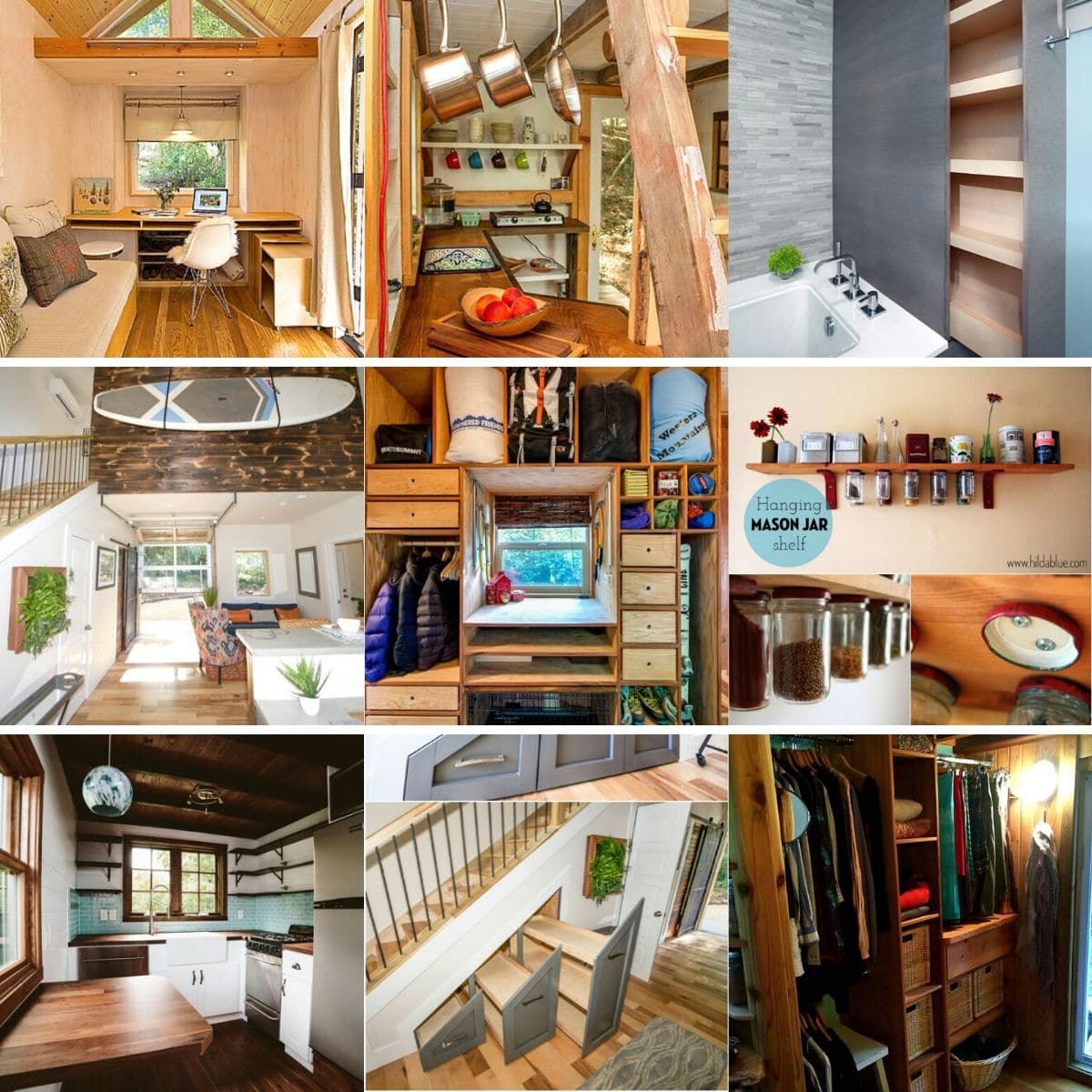
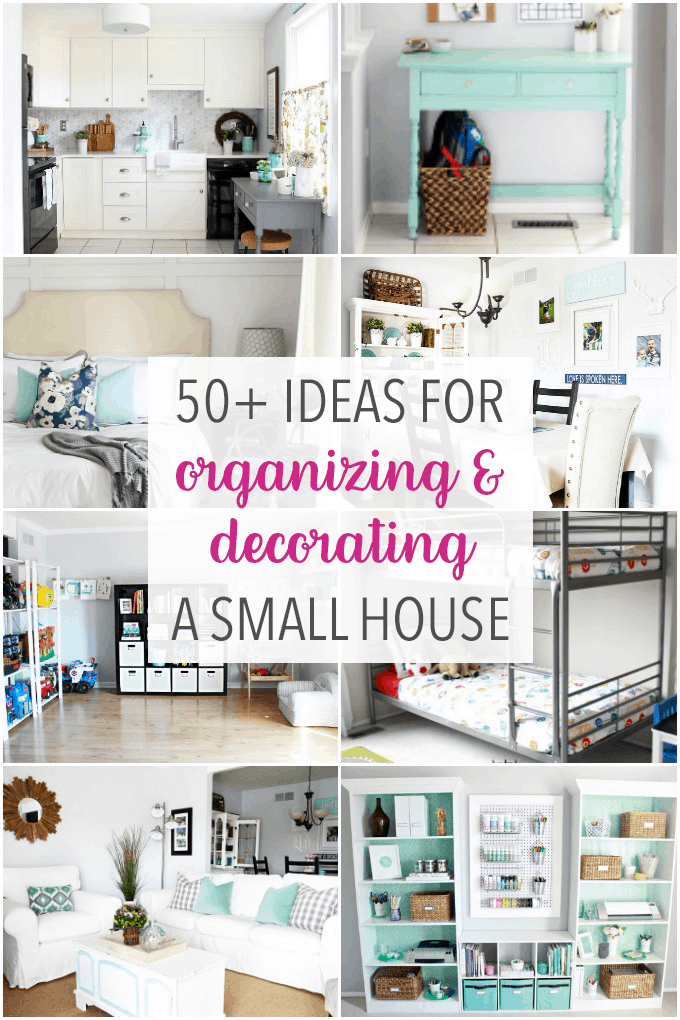
To organize a small home, start by removing things you no longer need, assign a purpose to every area, use vertical and hidden storage, and keep everyday items close to where you use them. Choose furniture that serves more than one purpose and follow a simple daily cleanup routine.
Small homes are common across the United States. Many Americans live in apartments, condos, townhouses, and modest single-family homes where every square foot matters. A small home can feel crowded when clothes, kitchen tools, paperwork, and household supplies do not have clear places. However, good organization does not require a large renovation or expensive furniture.
The best way to organize a small home is to make each area work harder. Start with the things you own, remove what you do not use, and create simple storage zones. Use empty wall space, the area under your bed, the backs of doors, and unused cabinet space before adding more furniture.
A useful organization system should also match your daily routine. Keep frequently used items easy to reach and move seasonal or rarely used belongings to less accessible areas. This makes cleaning faster and helps prevent clutter from returning.
This guide explains how to organize a small home step by step. It covers decluttering, room layouts, kitchen storage, bedroom organization, furniture choices, affordable storage methods, and easy maintenance habits. You can use the ideas in a small house, studio, rental apartment, or townhouse without changing the basic layout of your home.
The first step in organizing a small home is removing things you no longer need. Storage cannot solve every space problem when too many belongings compete for the same shelves, drawers, and cabinets. A smaller collection of useful items is easier to manage.
Start with one small area instead of emptying the entire house. Choose a kitchen drawer, bedroom shelf, bathroom cabinet, or entryway. Working in small sections helps you finish each task and prevents unwanted items from spreading into other rooms.
Take everything out of the selected area and sort it into four groups: keep, donate, recycle, and discard. Place useful items back only after deciding where they belong. Move donation items out of the home soon so they do not become another pile.
Do not throw away something only because you have not used it recently. Seasonal equipment, important records, emergency supplies, and special items may still have a clear purpose. Consider usefulness, condition, available space, and how often you need each item.
Source: i.pinimg.com
Remove duplicates
Keep a practical number of similar items, such as cooking tools, water bottles, towels, and cleaning supplies. Donate usable extras that take up valuable storage space.
Check expired products
Review old food, expired toiletries, and household products. Follow local disposal guidance for medicines, chemicals, and other items that should not go into ordinary household trash.
Sort clothes by use
Separate everyday clothing, workwear, seasonal items, and special outfits. Donate clean clothing that no longer fits your needs.
Reduce paper clutter
Recycle unnecessary mail and organize important documents in a labeled folder or secure file box. Keep records that you may need for taxes, insurance, or other important matters.
Use the One-Area-at-a-Time Method
Choose one shelf, drawer, or cabinet and complete it before moving to another area. Set a short work session of 15 to 30 minutes. This gives you a clear goal and makes a large home organization project feel more manageable.
When an area is finished, check whether everything has a clear place. If you still have items without a home, decide whether they belong somewhere else or should leave the house.
Keep
Items you use, need, or value and have room to store.
Donate or sell
Useful belongings that no longer fit your home or routine.
Recycle or discard
Items that are broken, unusable, or no longer suitable for donation.
Set Limits for Each Storage Area
A shelf or drawer should have a reasonable limit. When it becomes full, review the items before adding more. This simple rule helps prevent cupboards and closets from becoming crowded again.
Use one category per space
Keep similar items together so you can find them without searching through unrelated belongings.
Leave some room
Avoid filling every container to the top. A little open space makes it easier to return items after use.
2. Create Clear Zones for Everyday Activities
A small home becomes easier to manage when each area has a clear purpose. A zone is a specific place for an activity or group of related items. You do not need separate rooms to create useful zones.
For example, one corner of a living room can serve as a work area. A small section near the entrance can hold shoes, bags, and keys. A bedroom can have separate areas for sleeping, dressing, and storing personal items.
Keep belongings close to the place where you use them. Cooking tools belong near the cooking area, cleaning supplies should be near the tasks they support, and work materials should stay near the desk. This reduces unnecessary movement and makes putting things away easier.
In a studio apartment or open-plan home, use furniture placement, lighting, and small rugs to mark different areas. A sofa can separate a sitting area from a dining space without blocking the room or requiring a permanent wall.
Source: i.pinimg.com
Entry zone
Create a small place for keys, shoes, bags, coats, and everyday outdoor items.
Living zone
Keep remote controls, books, blankets, and entertainment items near the seating area.
Work zone
Store a laptop, notebooks, chargers, and office supplies together.
Sleeping zone
Keep bedding, nighttime essentials, and personal belongings close to the bed.
Dining zone
Store plates, utensils, and dining accessories near the table or kitchen.
Use the Most Accessible Storage for Daily Items
Not every item needs the same amount of storage access. Place frequently used belongings at a comfortable height and in easy-to-reach drawers. Store items used once in a while on higher shelves or in less convenient cabinets.
For example, keep everyday plates near the kitchen counter and special serving dishes in a higher cabinet. Store daily clothing at eye level and seasonal clothing in a labeled container.
Daily-use items
Keep them in open drawers, easy-access cabinets, or nearby shelves.
Occasional-use items
Place them in less accessible but clearly labeled storage areas.
Seasonal items
Group them together and store them in a dry, suitable location.
3. Make Better Use of Vertical Storage Space
Vertical storage is one of the most useful ways to organize a small home without adding more floor furniture. Many homes have unused wall space above desks, counters, beds, and cabinets. Using this space can help keep everyday surfaces clear.
Wall shelves, hooks, narrow bookcases, and pegboards can hold items that would otherwise take up valuable floor space. Choose storage that fits the wall and the weight of the items you plan to keep there.
Before installing anything, measure the available height and width. Check nearby doors, windows, electrical outlets, and furniture. In a rental home, review the lease and ask about permission before drilling or making permanent changes.
Heavy items need suitable wall anchors and proper installation. Do not assume that ordinary nails or adhesive hooks can support large loads. Follow the product instructions and seek qualified help when the wall material or installation method is unclear.
Source: i.pinimg.com
Install wall shelves
Use shelves for books, baskets, small plants, and items that do not need daily handling.
Add wall hooks
Hang coats, bags, hats, and frequently used accessories near the entrance.
Try a pegboard
Organize lightweight tools, craft supplies, or kitchen accessories where they are easy to see.
Use cabinet risers
Create extra usable levels inside cabinets for cups, plates, and pantry supplies.
Use the space behind doors
Consider over-door organizers for lightweight shoes, toiletries, and small household supplies, provided the door can still close safely.
Organize High Shelves Carefully
High shelves are useful for belongings you do not need every day. Store seasonal decorations, extra bedding, and occasional-use supplies in labeled containers. Keep the heaviest items at lower levels whenever possible.
Avoid placing heavy objects above beds, seating areas, or frequently used walkways. Do not climb on chairs or unstable furniture to reach storage. Use a suitable step ladder on a stable surface or ask someone for help.
Use clear labels
Write the contents and category on each box so you do not need to open every container.
Protect stored belongings
Choose dry storage and suitable containers for clothing, bedding, and other items that may be damaged by moisture or dust.
4. Choose Furniture That Saves Space
Furniture has a major effect on how much usable space remains in a small home. Large pieces can block walking paths, cover storage areas, and make rooms harder to clean. Choose furniture based on the room’s actual measurements and the activities that happen there.
Multi-purpose furniture can help because one item serves more than one need. A storage ottoman can provide seating and hold blankets. A bed with drawers can store clothing, while a folding table can provide a work or dining surface when needed.
However, furniture with built-in storage is not automatically the best choice. A large storage bench may take up more floor space than the belongings inside it justify. Check the size, opening method, weight, and ease of access before buying.
Measure the furniture and the route into the room before making a purchase. Include doorways, hallways, stair turns, and the space needed to open drawers. A piece that fits against a wall may still block a cabinet or make a room difficult to use.
Source: i.pinimg.com
Storage ottoman
Use it as a footrest or extra seat while storing blankets, toys, or other lightweight belongings.
Bed with drawers
Use the space below the mattress for clothing, spare bedding, and seasonal items.
Folding dining table
Choose a design that can be folded or reduced in size when you do not need a full dining surface.
Nesting tables
Keep smaller tables inside a larger one when extra surfaces are not needed.
Wall-mounted desk
Create a compact work area that can reduce the need for a large traditional desk.
Keep Furniture Proportional to the Room
Choose furniture that leaves enough space for normal movement. A compact sofa may work better than a large sectional in a narrow living room. A small dining table may be more practical than a large table that is rarely used.
Furniture with visible legs can make more floor area visible. This can help a room feel less crowded, although it does not create additional storage by itself.
Avoid buying furniture only because it has many compartments. Consider whether the storage is easy to reach and whether the item supports your daily routine.
Check room measurements
Measure the available floor area and the space needed for doors, drawers, and chairs.
Prioritize useful functions
Choose pieces that solve a real need instead of adding storage that may never be used.
5. Organize a Small Kitchen for Better Daily Use
A small kitchen needs a clear system for food, cooking tools, dishes, and cleaning supplies. The easiest approach is to organize items around kitchen tasks rather than placing everything wherever an empty space is available.
Begin by removing unused appliances, duplicate utensils, and old pantry items. Keep the tools you use most often near the counter or cooking area. Store occasional baking equipment and special serving dishes in less accessible cabinets.
Use drawer dividers to separate utensils and small tools. Stack suitable containers and dishes to use cabinet height more efficiently. Shelf risers can help create another storage level when the cabinet dimensions allow them.
Keep at least one useful section of counter space available for food preparation. Too many appliances and containers can make a small kitchen harder to use, even when everything looks organized.
Source: i.pinimg.com
Group pantry items
Keep similar food products together, such as snacks, grains, canned foods, baking supplies, and breakfast items.
Use drawer organizers
Separate cooking utensils, cutlery, measuring tools, and other small accessories.
Store lids vertically
Use a suitable divider to prevent pot and container lids from forming an unstable pile.
Use under-sink space
Store appropriate cleaning supplies in a secure organizer while keeping them separate from food and out of children’s reach.
Reduce countertop clutter
Keep only frequently used appliances and daily essentials on the counter.
Create Four Practical Kitchen Zones
Divide the kitchen into preparation, cooking, cleaning, and food storage areas. This helps keep related tools together and reduces unnecessary movement while preparing meals.
The preparation area should have enough room for chopping and mixing. Keep frequently used utensils nearby, but do not block sinks, stovetops, or important work surfaces with storage containers.
Preparation zone
Keep cutting boards, knives, mixing bowls, and measuring tools nearby.
Cooking zone
Store suitable pots, pans, and cooking utensils close to the stove.
Cleaning zone
Keep dish soap, sponges, and suitable cleaning tools near the sink.
Food storage zone
Group pantry goods and food containers in clean, dry, suitable cabinets.
Keep Food and Cleaning Products Separate
Household cleaners, detergents, and other chemicals should not share open storage with food. Keep hazardous products in their original labeled containers and use secure storage away from children and pets. Follow the product label for storage and handling.
Use closed storage
Keep cleaning products in a secure cabinet or other appropriate location.
Check food dates
Review pantry items regularly and remove food that is spoiled or no longer safe to use.
6. Make the Most of a Small Bedroom and Closet
A small bedroom feels more comfortable when the bed, clothing, and personal belongings have clear storage areas. Begin by clearing the floor and removing items that do not belong in the room. Then decide which belongings need to stay close to the bed.
Use the area under the bed for suitable storage. Flat containers can hold seasonal clothing, spare bedding, and other items that you do not need every day. Make sure stored belongings do not block ventilation or create problems with bed frames and electrical equipment.
A closet can hold more when clothing is grouped by type and frequency of use. Keep everyday clothes in the easiest-to-reach section. Move seasonal items to a suitable upper shelf or another dry storage area.
Drawer dividers, hanging organizers, and shelf dividers can make small spaces easier to manage. However, avoid overfilling the closet. Clothes should be easy to remove and return without disturbing the rest of the arrangement.
Source: i.pinimg.com
Use matching slim hangers
A consistent hanger style can make a clothing rail easier to manage and may reduce wasted space.
Fold clothes vertically
Arrange suitable folded clothing so you can see individual items without removing an entire stack.
Store seasonal clothing
Place out-of-season clothing in clean, dry, labeled containers.
Use the back of the closet door
Add suitable organizers for lightweight accessories, belts, scarves, or shoes.
Create a laundry area
Use a compact laundry hamper so dirty clothes do not collect on chairs or floors.
Keep Nighttime Essentials Near the Bed
A small bedside table or wall shelf can hold a phone, reading material, glasses, and other nighttime essentials. Keep the surface simple so it remains easy to clean.
If you have limited floor space, a wall-mounted bedside shelf may be useful. Make sure it is installed correctly and does not create a hazard near the bed.
Limit bedside items
Keep only the items you use regularly within easy reach.
Use drawer storage
Place small personal belongings in a drawer rather than spreading them across furniture.
7. Keep a Small Bathroom Clean and Organized
A small bathroom needs organized storage because toiletries, towels, cleaning products, and personal care items can quickly fill limited cabinets. Start by removing empty containers, expired products, and items that are not used.
Keep everyday toiletries in one accessible area. Use small drawer organizers for personal care products and a suitable shower caddy for items used during bathing. A narrow shelf or cabinet can provide extra storage when it does not block movement.
Store spare toiletries and backup supplies somewhere else if the bathroom cabinet is too small. A labeled box in a suitable bedroom or linen closet can hold extra soap, toilet paper, and unopened personal care products.
Keep medications in appropriate storage according to their labels. Bathroom humidity and temperature changes may not be suitable for every medicine. Use the storage conditions listed on the packaging and keep medicines away from children.
Source: i.pinimg.com
Use drawer dividers
Separate toothbrush supplies, grooming tools, skincare, and other small products.
Install suitable wall shelves
Use available wall space for lightweight bathroom items without blocking access to fixtures.
Add a shower organizer
Keep shampoo, soap, and other bathing products together in a suitable waterproof organizer.
Store towels vertically
Fold towels neatly or use a suitable towel rack to reduce crowded shelves.
Keep the Bathroom Counter Clear
A clear counter makes a small bathroom feel more orderly and gives you enough space for daily tasks. Keep only a few regularly used products visible. Store the rest in a drawer, cabinet, or labeled container.
Clean storage areas regularly and check for leaks, dampness, and signs of mold. Avoid placing electrical appliances near water or in locations where they can fall into a sink or bathtub.
Remove unused products
Review toiletries and discard products according to their labels and local disposal guidance.
Keep floors clear
Store baskets and bathroom supplies where they do not create trip hazards.
8. Use Hidden Storage Without Creating More Clutter
Hidden storage makes use of areas that are often overlooked. Spaces under beds, inside suitable cabinets, and beneath some furniture can hold belongings without adding more visible objects to a room.
The key is to use hidden storage for items that have a clear purpose. Filling every empty corner with boxes can make it harder to find things and may create a problem when you need to clean or access the area.
Measure each space before choosing containers. Check the height, width, and depth, including any handles, supports, pipes, or moving parts. A container that is too large can block a drawer, door, or ventilation opening.
Use clear containers when you need to see the contents. For items stored for a long time, choose suitable closed containers and add clear labels. Keep stored belongings dry and check them from time to time.
Source: i.pinimg.com
Under-bed containers
Store seasonal clothing, spare sheets, and suitable household items in low-profile containers.
Cabinet door organizers
Use suitable racks for lightweight supplies, lids, or small accessories.
Storage baskets
Group blankets, toys, and everyday accessories in baskets that fit their storage areas.
Corner shelves
Use suitable corner storage to make otherwise unused areas more useful.
Create a Seasonal Storage System
Seasonal belongings do not need to occupy the easiest storage areas throughout the year. Group holiday decorations, seasonal clothing, and occasional-use equipment together. Label each container so you can find it when needed.
Before storing anything, clean and dry it when appropriate. Keep sensitive belongings away from moisture, pests, and extreme temperatures. Do not store items in areas where they may block access to electrical equipment or household safety systems.
Group similar items
Keep related seasonal belongings together instead of mixing unrelated household supplies.
Label every container
Write a clear category name and a short list of contents on the outside.
Review stored items
Check seasonal storage before each use period and remove items that are no longer needed.
9. Organize Your Small Home on a Budget
You do not need to spend a lot of money to organize a small home. Many useful storage solutions can be made with items you already own. Before shopping, look at boxes, baskets, jars, and furniture that could serve a better purpose.
Reuse clean cardboard boxes to group suitable household supplies inside cabinets. Use existing baskets for blankets or toys. Repurpose sturdy containers for small accessories, provided they are clean and suitable for their intended use.
When buying organizers, focus on the actual problem. A drawer divider may solve a crowded utensil drawer, while a wall hook may keep bags off the floor. Avoid buying a large set of storage products when you only need one or two pieces.
Compare the cost of an organizer with the amount of useful space it creates. A low-cost item is not a good purchase if it does not fit the available area or makes everyday tasks harder.
Source: i.pinimg.com
Reuse cardboard boxes
Use clean, dry boxes to separate lightweight items inside suitable cabinets or closets.
Repurpose baskets
Give existing baskets a clear role for laundry supplies, toys, or household accessories.
Use simple hooks
Choose suitable hooks for bags, coats, and lightweight accessories.
Buy only measured storage
Check dimensions and installation needs before spending money on shelves, racks, or containers.
Follow a Simple Storage Shopping Plan
Make a short list of the storage problems you still have after decluttering. Write down the dimensions of each area and decide what type of item would solve the problem.
Compare several options before buying. Consider material, load limits, cleaning needs, installation requirements, and whether the organizer can be moved if you change the room layout.
First priority
Solve storage problems that affect daily activities, such as a crowded kitchen drawer or a messy entryway.
Second priority
Improve less frequently used areas, such as seasonal storage and extra linen space.
Final priority
Add decorative baskets and other optional products only when the practical storage system works.
10. Keep Walkways and Storage Areas Safe
A well-organized small home must remain safe to move around. Extra storage should never block doors, windows, stairs, or the main route between rooms. Clear walkways are especially important for children, older adults, and people with limited mobility.
Avoid placing loose baskets, shoes, boxes, or electrical cords in walking paths. Secure unstable or top-heavy furniture according to the manufacturer’s instructions and use suitable wall restraints where needed. This is particularly important in homes with children.
Do not overload shelves or stack heavy objects above areas where people sit or sleep. Follow the stated weight limits and use suitable mounting hardware. If you are unsure whether a wall can support a shelf or cabinet, ask a qualified professional.
Keep smoke alarms, carbon monoxide alarms, electrical panels, and other safety equipment accessible. Do not cover vents or block heating and cooling equipment with storage furniture. Make sure everyone in the household can reach important exits.
Source: justagirlandherblog.com
Keep paths clear
Remove items from stairs, hallways, and doorways to reduce trip hazards.
Secure tall furniture
Use appropriate anti-tip devices for unstable or top-heavy furniture, especially around children.
Store heavy items low
Keep heavy containers on lower shelves where they are easier and safer to reach.
Protect electrical access
Keep cords away from walking paths and do not overload outlets or extension cords.
Keep cleaning products secure
Store hazardous household products away from children and pets and follow label directions.
Avoid Common Small-Home Organization Hazards
A storage idea may look useful but still create a safety problem. For example, a shelf placed too close to a doorway may interfere with movement, while a loose rug can create a trip hazard.
Check your home after completing each organizing project. Walk through the rooms, open doors and drawers, and make sure you can reach important items without climbing on unstable furniture.
Do not block emergency exits
Keep doors, windows, and exit routes usable at all times.
Do not overload shelves
Follow the stated weight limits and install shelves using suitable methods.
Avoid unstable stacking
Use stable containers and avoid tall piles that can fall when items are removed.
11. Build a Simple Routine to Prevent Clutter
The best organization system is one you can maintain without spending hours cleaning every day. Small homes can become messy quickly because a few misplaced belongings may affect a large part of the available space. Short routines help keep each area under control.
Start with a 10-minute evening reset. Return items to their storage zones, clear the kitchen counter, put away shoes, and remove unnecessary belongings from shared surfaces. These small tasks reduce the amount of work needed later.
Set aside time once a week to review one area of the home. Check the pantry, bathroom cabinet, closet, or living room storage. Remove items that no longer belong and return misplaced belongings to their correct places.
When new items enter the home, decide where they will live before bringing them into everyday use. A one-in, one-out rule can help with categories such as clothing, kitchen tools, and toys when storage space is limited.
Source: i.pinimg.com
Daily reset
Spend a few minutes returning everyday belongings to their assigned places.
Weekly review
Check one storage area for misplaced items, empty containers, and unnecessary clutter.
Monthly decluttering
Review a larger category, such as clothing, books, kitchen supplies, or household equipment.
Seasonal update
Rotate clothing, bedding, and decorations as household needs change.
Use a Practical Weekly Organization Schedule
A simple schedule can make household organization easier. You do not need to work on every room each day. Assign one small task to each day or choose a single weekly session that fits your routine.
Monday
Clear the kitchen counter and review the pantry.
Tuesday
Organize the bedroom and put away clean clothing.
Wednesday
Review the bathroom cabinet and toiletries.
Thursday
Clear the living room and return misplaced items.
Friday
Sort mail, paperwork, and household supplies.
Weekend
Review one larger area and prepare the home for the next week.
12. A Simple Room-by-Room Small Home Organization Plan
If you are unsure where to begin, use a room-by-room plan. This makes it easier to identify the biggest storage problems and decide which tasks deserve attention first.
Start with the areas you use most often. A crowded kitchen counter or blocked entryway may affect your daily routine more than a rarely used storage closet. Complete the most useful changes before moving to optional improvements.
The following table provides a practical starting point. Adjust it to match the layout, number of household members, and belongings in your home.
Source: i.pinimg.com
Work with your existing layout
Use available cabinets, closets, shelves, and furniture before planning major changes.
Finish each area
Do not move to another room until the current area has a workable storage system.
What to Organize First in Each Room
Use this checklist to decide what each room needs. The goal is not to fill every empty space but to make daily activities easier and keep important belongings accessible.
Living room
Clear tables, group entertainment items, organize books, and create storage for blankets and remote controls.
Kitchen
Remove duplicate tools, organize pantry supplies, divide drawers, and protect preparation space.
Bedroom
Clear the floor, organize clothing, use suitable under-bed storage, and simplify bedside surfaces.
Bathroom
Remove unused products, organize toiletries, store backups elsewhere, and keep the counter clear.
Entryway
Create storage for shoes, bags, keys, coats, and other items used when leaving home.
Laundry area
Group laundry supplies, create a place for dirty clothes, and store cleaning tools safely.
Measure Before Adding Storage
Measure the usable width, height, and depth of cabinets, shelves, and corners before buying organizers. Remember to check door movement, drawer clearance, and the space needed to walk around furniture.
A storage item should fit the available space without making the room harder to use. If an organizer blocks a cabinet or reduces a useful walking path, choose a smaller option or another storage method.
Measure the space
Record the usable dimensions rather than relying on rough estimates.
Check access
Make sure doors, drawers, windows, and cabinets can open fully.
Test the arrangement
Try the new layout before buying additional storage products.
13. Common Mistakes to Avoid When Organizing a Small Home
Some organization methods create more problems than they solve. A room may look tidy for a short time but become crowded again when storage does not match the way people use the space.
Avoid buying containers before decluttering. Otherwise, you may spend money storing things that you do not need. Also avoid placing every available item in a hidden box without labeling or grouping it.
Another common mistake is using too much floor furniture. Extra shelves and cabinets may provide storage, but they can reduce movement space. Consider wall storage, existing cabinets, and multi-purpose furniture first.
Do not create a system that requires too many steps. If putting away an everyday item takes several minutes, it is more likely to end up on a counter or chair. Keep daily-use storage simple and accessible.
Source: i.pinimg.com
Buying too many organizers
Measure and declutter first so you only purchase storage that solves a real problem.
Filling every empty space
Leave useful open areas for movement, cleaning, and daily activities.
Ignoring everyday habits
Store belongings near the activities that require them instead of following an arrangement that looks good but feels inconvenient.
Keeping unlabeled boxes
Use clear labels so stored items are easy to identify.
If clutter returns, do not assume that you need more storage. Look at the area that becomes messy most often. The problem may be that the assigned storage location is too far away, too small, or difficult to use.
Move frequently used belongings closer to where they are needed. Remove unnecessary items and adjust the storage limit if a drawer or shelf is constantly overflowing.
If several people share the home, agree on simple storage rules. Everyone should know where shared belongings belong and how to return them after use.
Find the problem area
Identify where items collect and which daily activity causes the mess.
Change the storage location
Move the storage point closer to the place where the items are used.
Review the amount stored
Remove excess belongings if the space is too small for the current collection.
Frequently Asked Questions
Q
How do I start organizing a small home?
Start by choosing one small area, such as a drawer, shelf, or kitchen cabinet. Remove everything, sort belongings into keep, donate, recycle, and discard groups, and return useful items to a clear storage location. Finish one area before moving to another.
After decluttering, create simple zones for everyday activities. Use existing storage before buying new organizers.
Q
How can I make a small home look less cluttered?
Keep floors, countertops, and frequently used surfaces as clear as possible. Group similar belongings in suitable baskets, drawers, and cabinets. Store seasonal and occasional-use items out of sight when appropriate.
Choose furniture that fits the room and avoid adding unnecessary shelves or decorative objects. A clear walking path and fewer items on display can make a small home feel more open.
Q
What is the best way to create more storage in a small house?
Use existing vertical and hidden spaces before adding more floor furniture. Wall shelves, suitable hooks, cabinet organizers, under-bed containers, and storage furniture can help use available space more effectively.
Measure each area before adding storage. Choose solutions that do not block doors, windows, walkways, or important household equipment.
Q
How can I organize a small home without spending money?
Begin by decluttering and rearranging belongings you already own. Reuse clean boxes, baskets, and suitable containers to group household items. Move belongings to the rooms where they are used and remove unnecessary duplicates.
You can also create storage zones using existing cabinets and shelves. Buying new products is not necessary when your current furniture can support a simple organization system.
Q
How do I organize a small home with limited closet space?
Reduce clothing you no longer wear and group the remaining items by type and season. Use slim hangers, suitable shelf dividers, drawer organizers, and the space under the bed to store appropriate belongings.
Keep everyday clothing easy to reach and move seasonal clothing to labeled containers in a dry storage area. Avoid overfilling shelves because crowded storage makes clothes harder to find.
Q
How often should I declutter a small home?
Use a short daily reset to return misplaced items and clear shared surfaces. Review one small storage area each week and complete a larger decluttering session when your belongings or household needs change.
A seasonal review is also useful for clothing, decorations, and occasional-use equipment. The best schedule is one that you can maintain without creating unnecessary work.
Q
What furniture works best in a small home?
Furniture that serves more than one purpose can be useful in a small home. Examples include storage ottomans, beds with drawers, folding tables, nesting tables, and compact desks.
The right choice depends on the room size and how you use it. Measure the available space and check that furniture does not block doors, drawers, windows, or walking paths.
✦ Wrapping Up
Conclusion
Learning how to organize a small home starts with a simple idea: every useful belonging needs a suitable place. You do not need a larger house or an expensive renovation to make your current space easier to use. Decluttering, creating activity zones, and using existing storage can make a noticeable difference.
Focus on one room at a time. Remove unnecessary items, organize daily essentials, use vertical space, and choose furniture that supports more than one activity when practical. Keep safety and easy movement in mind whenever you add shelves, hooks, or storage containers.
Most importantly, build habits that keep your home organized after the first cleanup. A short daily reset, a weekly review, and a seasonal decluttering session can help prevent belongings from taking over valuable space.
💡 Key Takeaway
Start today with one crowded drawer or shelf. Remove what you no longer need, group similar belongings, and give everything you keep a clear place. Once that area is complete, move to the next one. Small changes made consistently can help create a cleaner, more useful, and more comfortable home.