The best storage and organisation ideas combine smart furniture, useful containers, clear labels, and simple daily habits. Start by removing unwanted items, grouping similar belongings, and giving everything a practical place. Use walls, shelves, cabinets, and unused spaces to make your home easier to manage.
In American homes, storage needs can vary from small city apartments to large suburban houses. Families often need space for clothing, kitchen supplies, school items, cleaning products, seasonal decorations, and everyday essentials. Without a clear system, these belongings can quickly fill closets, cabinets, counters, and garages.
A well-organized home does not need expensive furniture or a complete renovation. Simple changes, such as adding drawer dividers, using labeled baskets, installing wall hooks, and arranging shelves, can make daily tasks easier. The best systems also fit the size of the home and the needs of the people who live there.
This guide covers practical storage solutions for kitchens, bedrooms, bathrooms, closets, living rooms, home offices, and garages. It also explains how to choose containers, use vertical space, avoid common storage mistakes, and maintain an organized home without spending hours cleaning every day.
A useful storage system begins with a clear plan. Before moving furniture or buying organizers, look at the items in each room and decide what needs to stay. The goal is to make useful belongings easy to find and simple to put away.
Start with one small area, such as a kitchen drawer, bathroom cabinet, or bedroom shelf. Empty that space and sort everything into groups. Separate items you want to keep from those you can donate, recycle, or discard.
Once sorting is complete, measure the available storage space. Check shelf depth, cabinet height, drawer width, and door clearance before buying containers. This simple step can prevent wasted money on organizers that do not fit.
A good system should also allow room for normal daily use. Avoid filling every shelf to its limit. Leave enough space to remove containers, reach supplies, and return belongings without moving several other items.
Start With Decluttering
Remove broken, unused, duplicate, and unwanted belongings before arranging the items you plan to keep.
Group Similar Items
Keep related belongings together, such as batteries with small household tools and baking supplies in one kitchen zone.
Measure Before Buying
Check the size of cabinets, drawers, shelves, and available floor space to choose storage that fits.
Set a Storage Limit
Decide how much space each category can use. When a shelf or bin is full, review its contents instead of adding more containers.
Choose Storage Based on Daily Use
Place frequently used belongings at an easy-to-reach height. Keep occasional-use items on higher shelves or in less accessible cabinets. Store heavy belongings on lower, sturdy shelves when practical.
For example, a family that cooks every day should keep plates, cooking tools, and common ingredients near the kitchen work area. Holiday decorations can stay in a separate storage space until needed.
Daily Items
Keep keys, wallets, cooking tools, toiletries, and other regular essentials within easy reach.
Occasional Items
Store guest linens, seasonal decorations, and special equipment in clearly marked containers.
Create a Simple Sorting Process
Use four basic categories when organizing a space: keep, donate, recycle, and discard. Make a separate box for items that belong in another room so they do not get mixed with the belongings you are arranging.
Complete one area before starting another. This keeps the project manageable and prevents piles of unsorted items from spreading across the home.
Keep
Save items that are useful, needed, or meaningful.
Donate
Pass clean, usable belongings to suitable local charities or community organizations.
Recycle or Discard
Follow local waste and recycling rules for unwanted items that cannot be reused.
Smart Kitchen Storage and Organisation Ideas
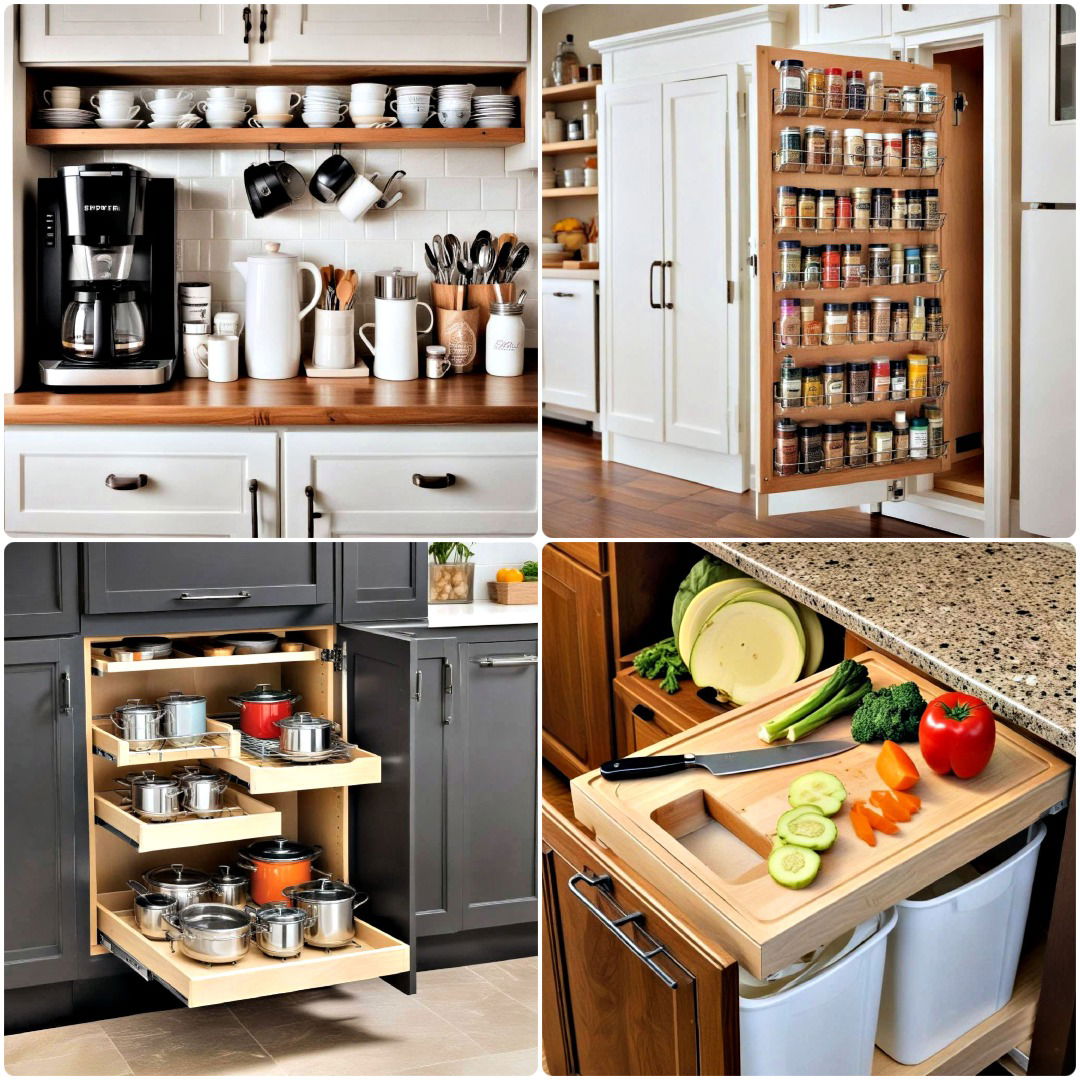
The kitchen is one of the most useful places to improve storage. Food, cookware, dishes, cleaning supplies, and small appliances all compete for limited space. A simple system can make cooking and cleaning less frustrating.
Start by grouping kitchen belongings according to their purpose. Keep baking tools together, place cooking utensils near the stove, and arrange everyday dishes close to the dishwasher or sink. This reduces unnecessary movement during meal preparation.
Cabinet organizers, drawer dividers, shelf risers, and pantry bins can help use available space more effectively. Choose food-safe containers for dry goods and keep labels visible so household members can identify contents easily.
Source: images.suite101.com
Install Cabinet Shelf Risers
Use shelf risers to create extra levels for cups, plates, bowls, and smaller kitchen supplies.
Use Drawer Dividers
Separate spoons, forks, cooking tools, and small accessories so they do not become mixed together.
Organize Pantry Supplies
Group grains, pasta, baking products, snacks, and canned foods in suitable sections.
Add a Turntable
Place a suitable rotating tray in a cabinet to make small bottles and jars easier to reach.
Use Wall Space
Install suitable hooks or racks for frequently used utensils, provided they do not interfere with cooking or create hazards.
Create an Appliance Zone
Keep regularly used appliances together and move occasional-use equipment to a designated cabinet.
Make Pantry Storage Easier
A well-planned pantry makes it easier to see what food is available. Use clear, food-safe containers for dry products such as rice, flour, cereal, and pasta. Add labels that identify the contents and, when useful, the opening date.
Place older products toward the front so they are used before newer supplies. Keep heavy containers on sturdy lower shelves and avoid storing food directly on the floor. Check food labels and storage instructions rather than assuming every product has the same shelf life.
Use Matching Bins
Group snacks, baking supplies, and packaged foods in separate containers.
Keep a Food Inventory
Maintain a short list of frequently used pantry supplies to reduce duplicate purchases.
Check Food Dates
Review product dates and follow the manufacturer’s storage guidance.
Reduce Countertop Clutter
Kitchen counters are easier to clean when only useful daily items remain on them. Move rarely used appliances, extra dishes, and decorative containers into cabinets or pantry storage.
Use a small tray to group items such as cooking oil, salt, and commonly used seasonings. Keep the area around the stove, sink, and food preparation surfaces clear enough for safe work.
Keep Daily Essentials
Leave only the tools and appliances that you use regularly.
Store Extra Supplies
Move duplicate utensils and occasional-use kitchen equipment into cabinets.
Bedroom and Closet Storage Ideas That Save Space
Bedrooms often collect clothing, shoes, bedding, accessories, books, and personal belongings. The best bedroom storage ideas keep these items accessible without filling every surface. Start by separating daily essentials from seasonal and occasional-use belongings.
Under-bed storage is useful for items that do not need daily access. Choose low-profile containers that fit beneath the bed and can slide out without scratching the floor. Store clean seasonal clothing, spare bedding, or other suitable belongings in these containers.
Closets also benefit from clear sections. Arrange clothing by category, such as shirts, pants, jackets, and dresses. Keep everyday clothing within easy reach and move seasonal items to a separate shelf or suitable storage box.
A storage bench can provide a place to sit while offering room for blankets or accessories. Nightstands with drawers can hold books, chargers, and small personal items while keeping the top surface clear.
Source: i.pinimg.com
Use Under-Bed Containers
Store seasonal clothing, extra linens, and other suitable items in low-profile containers.
Add Drawer Dividers
Separate socks, underwear, belts, and small accessories into easy-to-find sections.
Install Closet Shelves
Use extra shelving for folded clothes, handbags, shoes, and storage baskets.
Use Matching Hangers
Consistent hangers can make closet sections easier to arrange and help use the hanging area neatly.
Choose a Storage Bench
Add useful storage at the foot of the bed without requiring another large cabinet.
Create a Laundry Zone
Keep a hamper in a convenient location so dirty clothes do not collect on the floor.
Organize Clothing by Season
Seasonal clothing rotation can free up useful closet space. Keep current-season clothes in the most accessible area and move clothing that is not needed into clean, dry storage.
Before storing clothes, wash and dry them according to their care labels. Use breathable storage for items that need air circulation and check stored belongings from time to time. Do not place damp clothing in sealed containers.
Separate Clothing Types
Group everyday wear, work clothing, special outfits, and seasonal pieces.
Store Clean Items
Make sure clothing is clean and fully dry before long-term storage.
Review Unused Clothing
Donate or responsibly recycle suitable items that no longer fit your needs.
Make Small Bedrooms Feel More Open
Small bedrooms need storage that uses available space without blocking movement. Wall-mounted shelves can hold books and small decorative items, while hooks can provide space for bags and frequently used accessories.
Choose furniture with built-in drawers when replacing existing pieces. Avoid adding too many storage units, because large furniture can make a small bedroom feel crowded.
Use Floating Shelves
Keep books and small belongings off the floor and away from crowded tabletops.
Choose Multi-Use Furniture
Look for beds, benches, or nightstands with practical built-in storage.
Bathroom Storage Solutions for a Neat and Functional Space
Bathrooms often have limited cabinet space, yet they need to hold toiletries, towels, cleaning products, and personal care supplies. A practical arrangement keeps daily items easy to reach while reducing clutter around the sink and shower.
Start by removing empty bottles, expired products, and items that are no longer used. Separate daily toiletries from backup supplies. Use small bins inside vanity cabinets to prevent bottles, brushes, and accessories from becoming mixed together.
Over-the-door organizers and wall shelves can add storage without taking up much floor space. However, choose materials that suit the bathroom’s moisture levels and keep storage away from areas where water can damage belongings.
A small basket can hold clean hand towels, while a separate container can organize hair care tools. Keep the floor clear and avoid placing heavy objects on unstable shelves.
Source: i.pinimg.com
Use Under-Sink Bins
Organize extra toiletries, spare toilet paper, and suitable cleaning supplies in separate containers.
Add Shower Shelves
Use suitable shower organizers to keep soap, shampoo, and other bathing products off the floor.
Install a Medicine Cabinet
Use a suitable cabinet to store small personal care items while keeping the countertop clear.
Use Drawer Trays
Separate makeup, grooming tools, brushes, and small accessories.
Create a Towel Section
Keep clean towels folded in a dry cabinet or on suitable shelves.
Separate Cleaning Products
Store household cleaners securely, away from children and pets, and follow product label instructions.
Make the Most of a Small Bathroom
In a small bathroom, use narrow shelving and wall-mounted storage to reduce floor clutter. A slim organizer beside the vanity may provide space for extra toiletries without blocking access.
Keep only daily products on the counter. Move backup products into a separate cabinet or closet and avoid storing items in damp areas if their labels recommend dry storage.
Use Wall-Mounted Storage
Install suitable shelves for light items and everyday essentials.
Choose Compact Organizers
Use narrow containers that fit inside existing cabinets and drawers.
Review Supplies Regularly
Remove empty containers and check the condition of personal care products.
Living Room and Home Office Organization Ideas
Living rooms need flexible storage because they serve many purposes. Families may use the same space for relaxing, reading, watching television, playing games, and entertaining guests. Storage should support these activities without making the room feel crowded.
Storage ottomans, coffee tables with drawers, and media cabinets can hold blankets, remote controls, books, and small accessories. Use baskets to group items that are used together, such as board games or children’s toys.
Open shelves can display books and decorative objects, but they should not become a place for random belongings. Arrange items in small groups and leave some open space between them. This makes shelves easier to clean and gives the room a less crowded appearance.
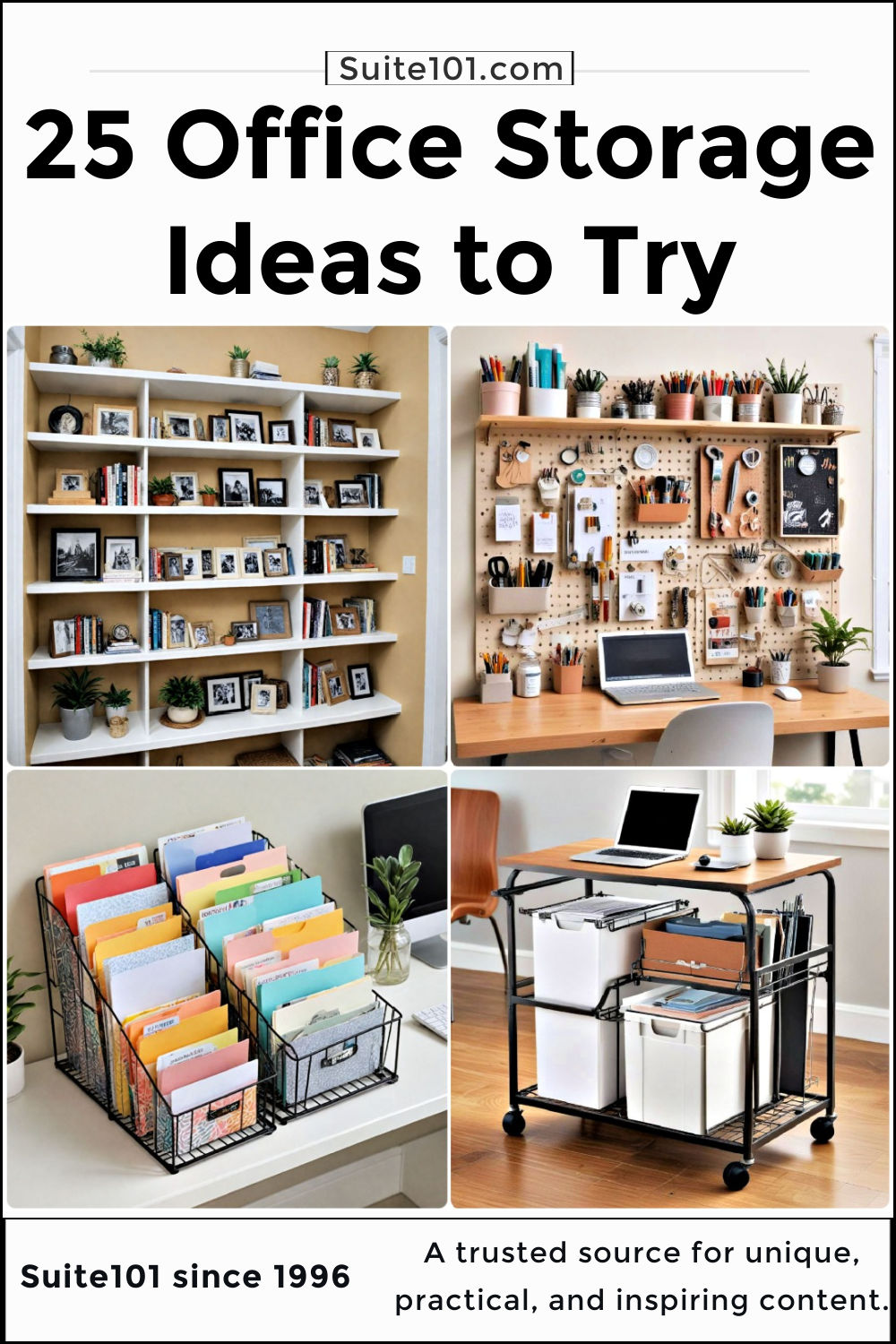
A home office needs a different approach. Papers, cables, stationery, and electronic equipment should have separate storage areas. Keep the desk clear enough for work and place supplies near the activities that require them.
Source: suite101.com
Choose Storage Furniture
Use ottomans, cabinets, and coffee tables with built-in compartments to reduce visible clutter.
Add Decorative Baskets
Group blankets, toys, magazines, and small household belongings in suitable baskets.
Organize Media Equipment
Keep remotes, game controllers, cables, and accessories in labeled drawers or containers.
Use Bookshelves Wisely
Arrange books by size or category and leave room for easy access.
Create a Paper Station
Use separate folders or trays for incoming mail, bills, documents, and papers that need action.
Manage Computer Cables
Use suitable cable clips or sleeves to keep cords organized and reduce trip hazards.
Build a Simple Home Office Storage System
A useful workspace has separate places for paperwork, electronic accessories, and everyday supplies. Use a small drawer unit or desktop organizer for pens, notebooks, chargers, and other frequently used items.
Keep important documents in a secure and clearly labeled filing system. Protect sensitive papers and devices from moisture, heat, and unauthorized access. Review old papers before recycling or discarding them.
Use Vertical Shelving
Add shelves above or beside the desk when the wall and mounting conditions allow.
Label File Folders
Use clear labels to separate household records, work papers, receipts, and active projects.
Store Small Supplies Together
Keep stationery, cables, and accessories in separate compartments.
Keep Shared Living Spaces Organized
Shared rooms work better when everyone knows where common belongings belong. Give family members separate baskets or shelves for their personal items. This reduces the chance that one person’s belongings will spread across the whole room.
A small return basket can collect items that belong elsewhere. Empty it during a daily reset so the basket does not become another permanent storage area.
Create Personal Sections
Give each household member a practical place for frequently used belongings.
Use a Return Basket
Collect misplaced items and return them to their correct rooms at the end of the day.
Garage, Laundry Room, and Seasonal Storage Ideas
Garages and laundry rooms often become storage areas for items that do not have a clear place elsewhere. Tools, sports equipment, cleaning supplies, holiday decorations, and laundry products can quickly take over the available space.
The first step is to create separate zones. Keep gardening tools in one area, sports equipment in another, and seasonal decorations in clearly marked containers. This makes it easier to find items without searching through unrelated boxes.
Wall-mounted racks, pegboards, and sturdy shelves can help free up floor space. Choose storage equipment that is designed for the weight of the items it will hold. Secure shelving and heavy wall-mounted systems according to the manufacturer’s instructions and the wall structure.
In laundry rooms, use labeled baskets for sorting clothes and keep detergents in a convenient but secure location. A narrow shelf above or beside the washer and dryer can hold suitable supplies when it does not interfere with the appliances or ventilation.
Source: i.pinimg.com
Install Garage Wall Racks
Use suitable wall systems to organize tools, sports equipment, and outdoor accessories.
Use Clear Seasonal Bins
Store holiday decorations and seasonal belongings in labeled containers.
Create a Tool Station
Keep frequently used tools together in a suitable cabinet, toolbox, or pegboard system.
Add Laundry Baskets
Separate light clothing, dark clothing, towels, and other laundry categories.
Use Folding Storage
Choose a folding drying rack or compact laundry cart when floor space is limited.
Keep Walkways Clear
Leave clear paths to doors, vehicles, utility equipment, and emergency access points.
Store Seasonal Decorations Safely
Seasonal decorations are easier to manage when they are sorted by occasion. Use separate containers for holiday lights, ornaments, outdoor decorations, and special event supplies.
Label each container on more than one visible side. Before storing lights and electrical decorations, check for damaged wires, broken plugs, or other defects. Do not store damaged electrical products for future use.
Keep seasonal containers in a dry location that suits the items inside. Avoid placing heavy boxes in unstable overhead storage or blocking access to electrical panels and utility equipment.
Sort by Occasion
Keep decorations for different holidays or events in separate containers.
Label Every Container
Write the contents and intended use on an easy-to-see label.
Check Before Storage
Clean suitable decorations and inspect electrical items for damage.
Improve Laundry Room Storage
A small laundry room can work well with narrow shelving, wall hooks, and separate laundry baskets. Keep detergents and cleaning products in their original containers whenever possible and follow their safety labels.
Store chemicals away from children and pets. Never mix household cleaning products unless their labels specifically allow it. Keep appliance openings and required ventilation areas clear.
Use a Slim Storage Cart
Place a narrow cart in a suitable gap for laundry accessories and other light supplies.
Add Wall Hooks
Hang suitable laundry bags and lightweight accessories away from appliance controls.
Keep Supplies Secure
Store detergents and other household chemicals according to their labels.
Small Space Storage Ideas That Make Every Area Useful
Small homes and apartments need storage that uses available space carefully. The most useful approach is to look for unused areas before adding large furniture. Walls, door backs, narrow gaps, and the space beneath furniture can all offer practical storage opportunities.
Vertical storage is one of the simplest ways to make a small room more functional. Wall shelves can hold books, small containers, and decorative items. Hooks can organize bags, coats, and lightweight accessories without using floor space.
Multi-purpose furniture is another helpful option. A bed with drawers, a storage bench, or a coffee table with a compartment can provide storage while serving its main purpose. Choose furniture that fits the room and leaves enough space for safe movement.
Small spaces also benefit from visual simplicity. Too many baskets, open shelves, and decorative containers can make a room look crowded. Keep only useful belongings in visible areas and use closed storage for items that do not need regular access.
Use the Back of Doors
Add suitable over-the-door organizers for lightweight accessories, cleaning supplies, or other small belongings.
Install Corner Shelves
Use suitable corner units to make otherwise unused areas more functional.
Choose Narrow Furniture
Select slim cabinets and storage carts that fit available gaps without blocking walkways.
Use Furniture With Drawers
Choose beds, benches, and tables that provide useful hidden storage.
Store Items Under Furniture
Use suitable containers beneath beds, desks, and other raised furniture.
Keep Floors Clear
Move suitable belongings into wall storage or cabinets to make walking areas more open.
How to Organize a Small Apartment
In a small apartment, each room may serve more than one purpose. A living room may also function as a home office, while a bedroom may need space for clothing, books, and work supplies.
Create separate zones for each activity. Use a small desk organizer for work supplies, a basket for living room accessories, and a dedicated shelf for frequently used household items. This helps different activities stay organized without requiring separate rooms.
Choose storage that can be moved or adjusted when needs change. Lightweight baskets, folding organizers, and modular shelving can be useful when the available space is limited.
Divide Rooms Into Zones
Use shelves, rugs, or furniture placement to separate work, rest, and storage areas.
Use Foldable Organizers
Choose storage that can be folded away when it is not needed.
Avoid Duplicate Storage
Reuse suitable containers and furniture before buying additional organizers.
Make Unused Corners More Functional
An empty corner can provide space for a narrow shelf, small cabinet, or suitable storage basket. Before adding furniture, check door movement, walking clearance, electrical outlets, and access to windows.
A small corner shelf can hold books, household supplies, or decorative items. Use the available height wisely, but keep frequently used belongings at a comfortable reach.
Add a Corner Shelf
Use an appropriately sized shelf for light belongings and everyday supplies.
Choose a Small Cabinet
Store items that need to stay out of sight in a compact cabinet.
How to Choose Storage Containers, Shelves, and Organizers
The right storage product depends on what you want to store, where it will be used, and how often you need to access it. A container that works well for seasonal clothing may not be suitable for food, bathroom supplies, or heavy tools.
Clear plastic containers are useful when you need to see what is inside. Fabric bins can work well on open shelves for clothing, blankets, and lightweight items. Baskets offer convenient storage for everyday belongings, while drawer dividers help separate smaller objects.
Check the material, weight limit, dimensions, and cleaning needs before choosing a storage product. For food, use containers intended for food contact. For damp rooms, select materials that can handle the conditions and allow proper cleaning.
You do not need to buy every type of organizer. Start with the containers and shelves you already own. Purchase new items only when a clear storage problem remains after decluttering and rearranging.
Clear Plastic Bins
Useful for visible storage of seasonal items, craft supplies, and suitable household belongings.
Fabric Storage Baskets
Suitable for lightweight clothing, blankets, toys, and open shelving.
Drawer Dividers
Useful for separating small items in kitchen drawers, bedroom dressers, and office cabinets.
Wall Shelves
Help use vertical space when the wall and mounting hardware can safely support the intended load.
Stackable Containers
Can make better use of cabinet and closet height when the containers are designed for safe stacking.
Label Holders
Make it easier to identify stored belongings and return them to the correct place.
Storage Options and Their Best Uses
Different organizers solve different problems. The following table compares common options and explains where they are most useful. Consider the weight, moisture, access needs, and available dimensions before making a choice.
Open Shelves
Best for books, folded clothing, baskets, and items that need regular access. They require more frequent dusting.
Closed Cabinets
Best for belongings that need protection from dust or should remain out of sight.
Clear Bins
Best for grouped belongings that need to remain visible and easy to identify.
Drawer Organizers
Best for small objects that become difficult to find when stored together.
Wall Hooks
Best for suitable lightweight items such as bags, coats, and everyday accessories.
Storage Furniture
Best for homes that need extra storage without adding separate cabinets or shelves.
Create a Useful Labeling System
Labels make storage easier for everyone in the home. Use short, clear names such as towels, baking tools, winter clothing, or office supplies. Avoid vague labels that do not explain what is inside.
For shared storage, use labels that other household members can understand. Add a date when it helps identify stored food, seasonal items, or supplies that need regular review.
Keep Labels Simple
Use clear words instead of long descriptions.
Place Labels in View
Attach labels to the front or top of containers where they can be read easily.
Update When Contents Change
Replace old labels whenever you use a container for a different category.
Common Storage Mistakes and How to Avoid Them
A home can have plenty of storage furniture and still feel cluttered. This often happens when storage is added without considering how belongings are used. The solution is to create systems that match daily habits instead of simply hiding everything in boxes.
One common mistake is buying organizers before sorting belongings. This can create more containers without reducing clutter. Another mistake is storing everyday items in places that are difficult to reach, which encourages people to leave them on counters and floors.
Overfilling shelves is also a problem. Containers become difficult to remove, labels become hidden, and items can fall when people try to reach them. Keep enough space for safe access and avoid stacking items beyond the product’s recommended limits.
Some storage mistakes can also create safety concerns. Heavy items should not be placed on unstable high shelves. Keep exits, electrical panels, heating equipment, and required ventilation areas accessible. Store hazardous household products securely and follow their labels.
Buying Too Many Containers
Declutter and measure your storage space before purchasing bins, baskets, or boxes.
Keeping Unused Belongings
Review items that have not been used and decide whether they still serve a practical purpose.
Using the Wrong Container
Choose materials that suit the stored items, room conditions, and cleaning requirements.
Overloading Shelves
Follow weight limits and use suitable mounting hardware and stable furniture.
Ignoring Daily Habits
Keep commonly used items near their normal place of use.
Forgetting Maintenance
Review containers and shelves regularly to remove unwanted items and update labels.
Important Home Storage Safety Tips
Storage should never block a safe route through the home. Keep stairs, hallways, doorways, and emergency exits free from boxes, furniture, and loose belongings.
Use furniture anchors and suitable wall fasteners where needed. Follow the manufacturer’s instructions for shelves, cabinets, and overhead storage. If you are unsure about a wall’s structure or the load it can support, ask a qualified professional before installation.
Keep medicines, sharp tools, batteries, and household chemicals in appropriate secure storage. Follow product instructions and local disposal guidance. Do not place heavy or fragile objects where they could fall onto people or pets.
Secure Tall Furniture
Use suitable anti-tip hardware according to the furniture manufacturer’s instructions.
Protect Walkways
Keep floors, stairs, and exits free from storage containers and loose objects.
Store Chemicals Properly
Keep household chemicals in their original containers and follow label safety directions.
Check Shelf Capacity
Do not exceed the stated load limit for shelves, racks, or storage furniture.
What to Do When a Storage System Stops Working
If a storage area becomes cluttered again, look at the reason before buying another organizer. The system may be too difficult to use, the container may be too small, or the belongings may not have a clear place.
Remove the contents and review the categories. Move frequently used items closer, reduce unnecessary belongings, and choose containers that are easy to open and return. A useful system should make putting things away as simple as taking them out.
Review the Problem Area
Identify which items repeatedly end up outside their assigned storage.
Change the Item Location
Move belongings closer to the place where they are used.
Simplify the System
Remove unnecessary steps, difficult lids, and containers that do not fit the space.
How to Maintain an Organized Home Every Day
The best storage system is one that remains useful after normal daily activity. You do not need to reorganize every room each day. A few short habits can prevent small messes from becoming large projects.
Start by returning items to their assigned places after use. Put clothes in the hamper, return kitchen tools to their drawers, and place shoes in the entryway storage area. These small actions help maintain the system without requiring a major cleanup.
Set aside a short daily reset period. Use this time to clear counters, return misplaced items, and prepare commonly used spaces for the next day. In a shared home, everyone can take responsibility for their own belongings.
A weekly review can help catch problems early. Check the pantry, bathroom supplies, laundry area, and household paperwork. Remove empty containers, review supplies, and adjust storage when your needs change.
Reset Shared Areas
Return items to their correct places and clear commonly used surfaces.
Review Kitchen Supplies
Check pantry items and remove empty packaging or unwanted duplicates.
Maintain Closet Sections
Put clean clothing away and keep laundry in its designated hamper.
Check Storage Labels
Update labels when containers or storage categories change.
Plan Seasonal Reviews
Review clothing, decorations, and outdoor equipment when the seasons change.
A Simple Weekly Home Organization Routine
A weekly routine helps keep storage areas useful without turning organization into a full-time task. Choose a regular day to check the rooms that collect the most clutter.
The following routine is a flexible example. Adjust it to the size of your home, the number of household members, and the time you have available.
Kitchen
Review pantry supplies, clear countertops, and return cooking tools to their assigned places.
Bedroom
Put away clothing, clear nightstands, and organize laundry.
Bathroom
Arrange toiletries, remove empty bottles, and check towels and cleaning supplies.
Living Room
Return books, toys, blankets, and accessories to their storage areas.
Home Office
Sort incoming paperwork, organize supplies, and clear the desk.
Garage and Laundry
Return tools and supplies to their zones and keep walkways clear.
Research Review and Useful Questions Readers May Have Next
This article addresses the main informational task of choosing and applying practical home storage systems. The editorial review considered room-by-room guidance from This Old House, Lowe’s, HGTV, and Apartment Therapy, alongside current home organization content. The reviewed material was accessed on November 1, 2026, with a United States home organization focus.
The reviewed pages provide useful ideas for decluttering, arranging individual rooms, using shelves, and selecting containers. However, coverage varies. Some pages focus mainly on visual inspiration or lists of products, while others provide more detailed room-by-room instructions.
This guide adds practical decision points about measuring storage areas, matching containers to their contents, setting capacity limits, maintaining shared spaces, and correcting systems that fail. These additions are intended to help readers apply the ideas rather than simply collect decorating inspiration.
The following gap map separates questions that are reasonable next needs from questions directly verified in the inspected material. An inferred question is not evidence of search volume or a confirmed future search trend.
Question: What should I do before buying storage bins?
Reader stage: Before organizing. Basis: Inferred next need. Reviewed coverage: Answered in part by This Old House and Apartment Therapy through decluttering advice. Improvement: This guide adds measuring, sorting, and capacity planning. Priority: High.
Question: How do I choose the right container for each room?
Reader stage: Choosing storage. Basis: Inferred next need. Reviewed coverage: Shallow across the inspected room-by-room inspiration pages. Improvement: This guide compares container types and explains material, visibility, moisture, and access needs. Priority: High.
Question: How can I stop organized spaces from becoming cluttered again?
Reader stage: After organizing. Basis: Observed question theme in the maintenance advice reviewed from This Old House and Apartment Therapy. Reviewed coverage: Answered, but ongoing system troubleshooting varies. Improvement: This guide includes daily resets and steps for fixing failed storage systems. Priority: High.
Question: How can I store belongings safely in a garage?
Reader stage: Applying storage. Basis: Inferred next need. Reviewed coverage: Shallow in the reviewed general organization pages. Improvement: This guide covers walkways, shelf capacity, secure storage, and overhead storage limits. Priority: High.
Question: How can I organize a small apartment without adding large furniture?
Reader stage: Choosing a space-saving method. Basis: Inferred next need. Reviewed coverage: Partly answered in the inspected small-space and home organization material. Improvement: This guide explains vertical storage, multifunctional furniture, and separate activity zones. Priority: Medium.
Research Scope and Evidence Limits
The inspected pages were This Old House’s room-by-room decluttering guide, Lowe’s guide to organizing a pantry and other small spaces, HGTV’s organization tips for different rooms, and Apartment Therapy’s home decluttering checklist. These pages were used to assess topic coverage and identify practical opportunities for clearer explanations.
The article does not claim hands-on testing of storage products, measured improvements in home space, or verified product performance. Storage recommendations are general household guidance and should be checked against the dimensions, materials, and weight limits of the products being used.
No search volume, Google ranking, or future search demand has been measured. The next-question map is an editorial planning tool, not a report of confirmed keyword trends.
Research Date
November 1, 2026.
Target Market
United States households, including apartments, small homes, and larger family homes.
Research Method
Review of four accessible competing editorial pages and comparison of their practical topic coverage.
Frequently Asked Questions
Q
What are the best storage and organisation ideas for a home?
The best storage and organisation ideas include using labeled bins, drawer dividers, wall shelves, hooks, storage furniture, and separate room zones. Start by removing unwanted belongings and grouping similar items together. Choose storage based on what you own and how often you use it.
Q
How can I organize my home without spending much money?
Start by using storage containers, baskets, boxes, and shelves you already own. Reuse suitable jars and containers for household supplies, organize drawers with simple dividers, and use existing wall hooks where appropriate. Decluttering can also create more usable space without buying anything.
Q
How do I organize a small home with limited storage?
Use vertical shelves, under-bed containers, narrow cabinets, door organizers, and furniture with built-in storage. Divide rooms into practical zones and keep frequently used items close to where they are needed. Avoid filling every available space with belongings because clear walkways and easy access matter.
Q
Are clear storage bins better than fabric baskets?
Each option has different uses. Clear bins are useful when you need to see stored belongings, while fabric baskets work well for lightweight clothing, blankets, and accessories. Choose based on the room, contents, cleaning needs, and whether you need visibility or concealed storage.
Q
How often should I reorganize my home?
Small daily resets and brief weekly reviews can help maintain an organized home. A larger review may be useful when seasons change, household needs shift, or storage areas become crowded. You do not need to reorganize every room on a fixed schedule if the system is working well.
Q
How can I make my storage system easy for the whole family?
Give each household member a clear place for personal belongings. Use simple labels, accessible containers, and easy-to-follow storage zones. Keep commonly used items within comfortable reach and create a shared routine for returning misplaced belongings.
Q
What should I avoid when organizing my home?
Avoid buying too many containers before decluttering, overfilling shelves, hiding everyday items in difficult places, and storing belongings without labels. Do not block exits or walkways, overload wall shelves, or place heavy objects on unstable furniture. Always follow storage product instructions.
✦ Wrapping Up
Conclusion
Practical storage and organisation ideas can make any home easier to use and maintain. You do not need a large budget or a complete home makeover to create useful storage. Small changes, such as adding drawer dividers, organizing pantry supplies, using wall shelves, and choosing multifunctional furniture, can make a real difference in everyday routines.
The best approach is to start with one area, remove belongings you no longer need, and give the remaining items clear places. Choose containers that suit the contents, use available space wisely, and keep frequently used items within easy reach. Remember that a useful storage system should make everyday life simpler, not create more work.
Once your storage areas are arranged, maintain them with short daily resets and regular reviews. Adjust the system when your household needs change. A home does not have to look perfect to be organized; it simply needs to work well for the people who live in it.
💡 Key Takeaway
Choose one cluttered area today. Remove unwanted items, group the belongings you want to keep, measure the available space, and arrange them in suitable containers or shelves. Finish by labeling the storage areas and creating a simple routine to keep everything in its place.